
Prolonging the Lifespan of Your Roof
A roof is more than the top surface of your home — it’s the first line of defense against weather, an architectural element that defines curb appeal, and a long-term investment in the comfort and value of your property. Whether your home is classic or contemporary, small, regular actions combined with the right professional interventions can extend a roof life by years or even decades.
At Peak Windows & Doors we specialize in integrated home improvement solutions — windows installation, doors installation, sliding systems, and roof service — so we know how a well-maintained roof interacts with the rest of your building envelope. This guide walks you through everything you need to know about prolonging the lifespan of your roof: inspection, maintenance, repairs, materials and design choices, seasonal care, and when to call professionals for roof repair or full roof replacement. We’ll explain technical concepts in clear terms, share practical checklists, and describe the roof service options our team offers.
Why Roof Longevity Matters
A healthy roof protects the structure beneath it: insulation, ceiling finishes, wiring, and the people inside. When a roof fails, water ingress, mold, structural decay, and energy loss quickly follow. Investing in preventative maintenance and informed choices about roof material and roof designs saves money in the long run by avoiding emergency repairs and improving energy efficiency.
Longevity also matters for resale value. A well-maintained roof is a sign of an owner who cares for the whole house. When buyers see a solid roof, they are less likely to factor in expensive future repairs into their offer.
The Key Factors That Determine Roof Lifespan
Several variables determine how long a roof lasts:
- Roof material – Asphalt shingles, metal, clay tiles, slate, and single-ply membranes all have different lifespans and maintenance needs.
- Climate and weather exposure – Sun, hail, wind, snow and salt (in coastal areas) affect degradation rates.
- Installation quality – Even the best roof material will underperform if installed incorrectly. Proper flashing, underlayment, and ventilation are essential.
- Roof design – Slope, overhang, complexity of valleys and penetrations (chimneys, skylights) add risk and affect water shedding.
- Maintenance and roof repair – Regular checks and prompt repair of small issues to prevent larger failures.
- Ventilation and insulation – Thermal performance and moisture control inside the roof void influence lifespan.
Understanding these factors helps homeowners prioritize interventions that have the greatest impact on durability.
Common Causes of Premature Roof Failure
Before we look at how to prolong a roof’s life, it helps to know what typically goes wrong:
- Water infiltration and trapped moisture
Leaks and poor drainage lead to rot, mold, and deterioration of structural timbers. Flashing around chimneys, vents and skylights is a frequent failing point. - Poor ventilation
Heat and moisture build-up in the attic accelerate shingle degradation and can cause warping or cracking of roof materials. - Inadequate installation or shortcuts
Incorrect nailing, missing underlayment, or poor sealing around penetrations dramatically reduce expected life. - Physical damage
Falling branches, hail, or heavy foot traffic can damage tiles or shingles. - UV and thermal cycling
Constant exposure to sun and temperature swings breaks down asphalt binders and causes expansion-contraction cycles in other materials. - Blocked gutters and drainage
When gutters overflow or downspouts are blocked, water backs up under eaves and soffits, causing rot and staining.
Regular Inspection: The Foundation of Roof Longevity
Routine inspection is the most powerful tool for extending roof life. You don’t need to climb onto the roof every week; seasonal walkarounds and professional inspections will catch up with most issues early.
Homeowner Checks (Every 3–6 Months):
- Look for missing, cracked or loose shingles or tiles.
- Inspect gutters and downspouts for debris and ensure water flows freely.
- Check the attic after storms for signs of leaks (stains, mold, damp insulation).
- Examine flashing around chimneys, vents and skylights for deterioration.
- Watch for sagging areas or soft spots in ceilings that could indicate structural water damage.
Professional Inspections (Annually, and After Major Storms):
A qualified roofing technician inspects the structure, checks hidden elements, and assesses the condition of underlayment, flashings, and fasteners. At Peak Windows & Doors, our roof service includes a full diagnostic and a written report with recommended repairs and estimated remaining life.
Preventative Maintenance That Gives the Best Return
Small, regular tasks prevent large problems. Here are maintenance actions with the best long-term impact:
- Clear gutters and downspouts
Keeping gutters free of leaves and debris ensures rainwater is carried away from eaves. Blocked gutters cause water to pool near fascia boards and can force water under roofing layers. - Trim overhanging branches
Branches rubbing on roofing accelerate wear and risk falling during storms. - Remove moss and algae
Biological growth retains moisture and lifts shingles. Professional cleaning and installation of zinc or copper strips across ridges can discourage regrowth. - Re-secure loose shingles and tiles promptly
A single missing shingle is an entry point for wind and water damage. - Maintain flashing and seals
Re-caulk or replace failing sealant around penetrations. Proper flashing details keep water where it should be — outside. - Inspect and maintain insulation and ventilation
Correct balancing of intake and exhaust vents prevent heat build-up and moisture retention in the roof cavity.
When to Perform Roof Repair vs Replacement
Deciding between roof repair and roof replacement depends on the extent of damage, the age of the roof, and the type of roof material.
Repair is sensible when:
- Damage is localized (small leak, a few missing shingles).
- The roof is relatively new (within expected lifespan for the material).
- Underlayment and structure remain sound.
Replacement is appropriate when:
- Multiple signs of widespread failure appear (brittle shingles, persistent leaks, sagging).
- The roof has reached or exceeded its expected life for the given roof material (e.g., 20–30 years for quality asphalt, longer for metal or tile).
- Repeated repairs over the years make replacement more cost-effective.
A professional roof service provider will assess and recommend the most economical and safe option. At Peak Windows & Doors, we provide transparent evaluations so homeowners can decide with confidence.
Choosing the Right Roof Material for Longevity
Selecting the correct roof material for your climate and architectural style is one of the most important longevity decisions.
Asphalt Shingles
The most common choice for residential roofs, asphalt, offers good performance at a reasonable price. Lifespan varies by quality — standard 3-tab shingles may last 15–20 years, while architectural shingles can go up to 30 years with proper care.
Metal Roofing
Metal roofs (standing seam, corrugated, or metal shingles) are durable, fire-resistant, and can last 40–70 years depending on the finish and maintenance. Metal performs well in extreme climates and sheds snow better than many other materials.
Clay and Concrete Tiles
Tiles are long-lasting (50+ years) and offer excellent durability in hot climates. They require a sturdy roof structure due to their weight and regular inspections to reset cracked tiles.
Slate
Natural slate is one of the longest-lasting roof materials — often 75–100 years — but is more expensive and requires specialist installation.
Single-Ply Membranes (Epdm, Tpo, Pvc)
Common for low-slope roofs, these synthetic membranes provide good resistance to ponding and UV exposure when properly installed. Lifespan is typically 20–30 years.
Composite and Synthetic Options
Modern composites mimic the look of slate or wood with reduced weight and maintenance needs. Their lifespan varies but often falls between traditional options and high-end metal or slate.
When selecting materials, consider local weather patterns, budget, and the roof’s structural capacity. Peak Windows & Doors offers guidance and installation services for a wide range of roof material options.
The Influence of Roof Designs on Durability
Roof design has a dramatic effect on water shedding, snow load, and exposure to elements.
Roof Pitch and Drainage
Steeper roofs shed water and snow more quickly, reducing ponding and moisture-related deterioration. Low-slope roofs require careful detailing for drainage and often use single-ply membranes or built-up roofing.
Complexity and Penetrations
Multiple valleys, skylights, chimneys, and roof junctions create vulnerable spots. Simpler roof designs are often more durable and cost-effective. Where complex designs are necessary, excellent detailing and quality materials are essential.
Overhangs and Eaves
Sufficient overhang protects walls and windows from splash back and helps preserve fascia boards and soffits.
Integration With Windows, Doors and Sliding Systems
Skylights, dormers and roof connections to new windows or sliding doors must be nailed down with careful flashing and water management. Poor coordination between roof designs and openings leads to leaks. Our integrated approach at Peak Windows & Doors ensures that window installation and doors installation around roofing interfaces are watertight and correctly detailed.
Ventilation and Insulation: Invisible but Vital
Good ventilation prevents heat and moisture build-ups that degrade materials and reduces the effective life of insulation and underlayment. Balanced ventilation systems combine intake vents (soffit or eave vents) with exhaust vents (ridge or gable vents).
Insulation helps maintain stable temperatures in the roof cavity and reduces thermal cycling that damages shingles. Proper insulation also improves energy efficiency and reduces ice dams in colder climates.
Seasonal Care: Preparing Your Roof for Extremes
Different seasons bring different risks. Tailoring care to the climate reduces stress on the roof.
Winter
Clear gutters before freeze-up, check for ice dams, and ensure attic ventilation and insulation are adequate to prevent warm spots that melt snow unevenly.
Spring
Inspect for winter damage, clear debris from valleys and gutters, and check for moss or algae growth.
Summer
Trim overhanging trees, verify flashing integrity and inspect for UV-related deterioration.
Autumn
Clean leaves and ensure gutters and downspouts are clear ahead of winter rain.
Hiring a Professional Roof Service: What to Expect
Choosing the right contractor is crucial. A reputable roof service will:
- Provide a written estimate with details of materials and scope.
- Explain expected lifespan and maintenance requirements for different roof material choices.
- Identify structural issues and propose safe, code-compliant solutions.
- Offer warranty coverage on workmanship and materials.
- Coordinate related trades where necessary (flashings near windows, connections to sliding door systems, chimney work).
At Peak Windows & Doors, our roof service teams conduct thorough inspections, prepare transparent quotes, and carry out professional roof repair and replacement with minimal disruption. We coordinate window and doors installation where those trades intersect with roofing work, so you receive a cohesive, weatherproof result.
The Role of Prompt Roof Repair
Timely roof repair prevents small issues from becoming catastrophic. A minor flashing failure or single missing shingle is inexpensive to fix; the same problem left unaddressed can lead to rafters that need replacement, mold remediation, and interior finish repairs.
Common repairs include replacing damaged shingles or tiles, re-sealing flashing, repairing underlayment, and repairing leaks around skylights or chimneys. We recommend addressing visible problems within weeks, not months.
Cost Considerations and Lifecycle Planning
Budgeting for roofing work should include lifecycle thinking. A lower initial cost material with high maintenance needs can become more expensive over decades compared with a higher upfront investment in a durable roof material and professional installation.
When evaluating estimates, consider material lifespan, installation quality, warranty terms, expected maintenance, and the impact on energy bills. Our roof service quotes at Peak Windows & Doors provide lifecycle projections so homeowners can make informed choices.
Why Choose Peak Windows & Doors for Roof Service
Peak Windows & Doors offers more than single-discipline work. Our integrated approach means your roof, windows, doors, and sliding systems are designed and installed to function as a coherent, weather-tight envelope. We provide:
- Experienced roof inspection and diagnostic reports.
- Professional roof repair and replacement across a wide range of roof material options.
- Coordination with windows and doors installation to ensure watertight junctions.
- Skilled teams with manufacturer-authorized installation practices.
- Clear warranties and lifecycle advice tailored to your home.
Final Thoughts: Proactive Care Pays Off
A proactive maintenance strategy — regular inspections, prompt roof repair, mindful selection of roof designs and roof material, and professional installation — dramatically extends a roof’s useful life. Small investments in clearing gutters, trimming trees and repairing flashing yield outsized returns in avoided emergency repairs, lower energy costs and enhanced comfort.
If you’re thinking about a roof inspection, considering roof repair, or planning an integrated upgrade that includes new windows installation, doors installation or sliding systems alongside roof work, Peak Windows & Doors is ready to help. Contact us for a full roof service assessment and a no-obligation quote tailored to your home and climate.
Protect your home from the top down — invest in quality materials, expert workmanship, and regular care. Your roof will reward you with years of reliable protection.
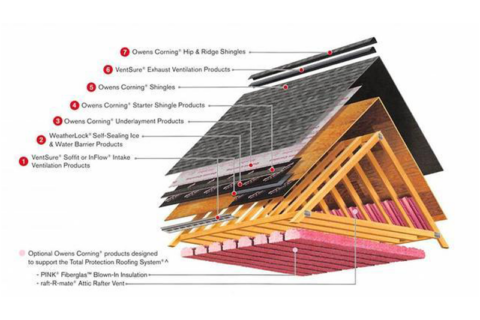
What Owens Corning Roofing Reveals About the Roof You Actually Have
Most homeowners describe their roof in one word:
“Fine.”
Not…

Middletown, DE Roofing Experts | Peak Windows & Doors, LLC
Spring is one of the best times for homeowners in Middletown, Delaware to evaluate…