
Understand Window and Door Insulation: What You Need to Know
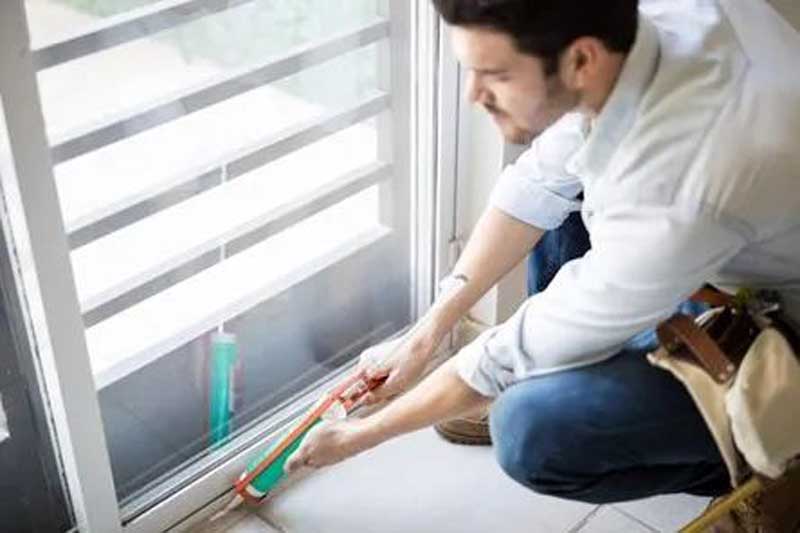
Proper window and door insulation is crucial for maintaining a comfortable and energy-efficient home. At Peak Windows & Doors, we specialize in high-quality insulation services to ensure that your windows and doors provide maximum efficiency, security, and longevity.
Whether installing new windows, upgrading doors, or enhancing insulation for sliding doors, understanding how insulation works and why it matters is essential. This guide explores everything you need about window and door insulation, from benefits and materials to installation and maintenance.
Why Window and Door Insulation Matters
Proper window and door insulation is essential for maintaining a comfortable, energy-efficient, and durable home. Poor insulation can result in temperature fluctuations, drafts, and increased energy costs, making your heating and cooling systems work harder than necessary. Ensuring your well-insulated windows and doors can significantly improve your home’s efficiency, security, and overall value.
Energy Savings and Cost Reduction
One of the most significant advantages of effective window and door insulation is reduced energy consumption. Poorly insulated windows and doors allow heat to escape during winter and let excessive heat enter during summer, leading to higher utility bills. With proper insulation, your home maintains a stable indoor temperature, reducing the need for heating and air conditioning. Over time, this translates to significant cost savings on energy bills.
Enhanced Indoor Comfort
Drafty windows and doors can make your home uncomfortable by allowing cold air in during winter and hot air in during summer. Insulated windows and doors prevent these drafts, ensuring your indoor spaces remain comfortable year-round. They also help eliminate condensation buildup, which can lead to mold growth and moisture damage.
Improved Soundproofing
Good insulation regulates temperature and reduces noise pollution. Well-insulated windows and doors block outside noise, creating a quieter and more peaceful indoor environment. This is especially beneficial for homes in busy neighborhoods or near highways.
Increased Home Value
Energy-efficient upgrades, including well-insulated windows and doors, add value to your property. Homebuyers increasingly seek sustainable, energy-efficient homes, making insulation a strong selling point.
Protection Against Moisture Damage
Moisture infiltration through poorly insulated doors and windows can lead to mold growth, wood rot, and structural issues. Proper insulation acts as a barrier against moisture, protecting your home from long-term damage and costly repairs.
Types of Window Insulation
Proper window insulation is essential for maintaining indoor comfort, improving energy efficiency, and reducing utility costs. Poorly insulated windows let heat escape during winter and let excess heat in during summer, leading to temperature fluctuations and higher energy consumption. Fortunately, several window insulation methods can enhance thermal performance and prevent air leaks. Below, we explore the most effective options in detail.
1. Weatherstripping: Sealing Air Leaks for Maximum Efficiency
Weatherstripping is one of the most cost-effective ways to prevent air leaks around window frames. It involves applying sealing material to the gaps where air infiltration occurs, ensuring that outside air does not enter and indoor air does not escape.
Types of Weatherstripping:
- Foam Tape: Ideal for irregular window frames, foam tape is easy to install and provides moderate insulation.
- Rubber and Silicone Strips: More durable than foam, rubber and silicone strips create a tighter seal and last longer.
- Felt Strips: An affordable option, though less durable and less effective against extreme temperatures.
- V-Strips (Tension Seal): Made of plastic or metal, these strips provide a strong seal along window edges and work well for sliding windows.
Advantages of Weatherstripping:
- Affordable and easy to install.
- Reduces drafts and heat loss.
- Works effectively for older windows with small gaps.
- Can be used alongside other insulation methods for enhanced performance.
Weatherstripping should be checked regularly for wear and tear since exposure to weather elements may cause deterioration over time.
2. Window Films: Adding a Layer of Thermal Protection
Window films are thin, transparent sheets applied directly to the glass surface. They help insulate windows by reducing heat transfer and blocking harmful UV rays. Available in clear, tinted, and reflective varieties, window films offer an effective solution for improving window insulation without replacing the windows.
Types of Window Films:
- Low-Emissivity (Low-E) Films: Coated with a unique metallic layer, these films reduce heat loss during winter and limit heat gain in summer.
- Solar Control Films: Tinted or reflective, these films block excess sunlight, reducing glare and preventing overheating in sun-exposed rooms.
- Security Films: Reinforced to provide added protection, these films also help with insulation while preventing glass breakage.
Advantages of Window Films:
- Reduces heat gain in summer and heat loss in winter.
- Blocks UV rays that can damage furniture and flooring.
- Inexpensive compared to window replacement.
- Easy to install and remove.
One downside of window films is that they may slightly reduce the clarity of windows, particularly if they have a darker tint. However, their insulating properties make them an excellent investment for window insulation.
3. Double and Triple Glazing: Advanced Insulation Technology
Modern energy-efficient windows often feature double or triple glazing, significantly improving insulation compared to single-pane windows. This method involves multiple layers of glass separated by an insulating gas such as argon or krypton.
How It Works:
- Double-Glazed Windows: Two panes of glass with a gas-filled space in between, reducing heat transfer.
- Triple-Glazed Windows: Three panes of glass with two gas-filled spaces, offering superior insulation.
- Low-E Coatings: These special coatings further reduce heat transfer while allowing natural light to pass through.
Advantages of Double and Triple Glazing:
- Superior thermal insulation reduces heating and cooling costs.
- Enhances soundproofing by blocking outside noise.
- Minimizes condensation buildup, preventing mold growth.
- Increases property value with high-performance windows.
The only drawback of this method is the initial installation cost. However, the long-term energy savings make double and triple glazing an excellent investment for homeowners looking for superior window insulation.
4. Insulated Window Frames: Choosing the Right Material for Better Performance
While many people focus on glass insulation, window frames also play a crucial role in overall efficiency. Poor-quality frames can allow heat to escape, even if the window glass is insulated. Selecting the right frame material can significantly improve window insulation.
Best Insulated Window Frame Materials:
- Vinyl Frames: Made from PVC, these frames provide excellent insulation, are moisture-resistant, and require minimal maintenance.
- Fiberglass Frames: Stronger than vinyl and even more energy-efficient, fiberglass frames do not expand or contract with temperature changes.
- Composite Frames: A combination of wood and synthetic materials, offering the insulation benefits of wood without the risk of rot.
Advantages of Insulated Window Frames:
- Reduces heat transfer through the frame.
- Requires little to no maintenance.
- Resists warping, cracking, and moisture damage.
- Improves overall energy efficiency when combined with double-glazing.
Aluminum frames, while durable, are poor insulators. If you choose aluminum, consider thermal breaks to reduce heat loss.
5. Thermal Curtains and Insulated Blinds: Stylish and Functional
Beyond structural insulation, window treatments such as thermal curtains and insulated blinds provide extra protection against heat loss and excess sunlight. These are especially useful in older homes or rentals where replacing windows isn’t an option.
How They Work:
- Thermal Curtains: Made of thick, layered fabric with insulating materials to prevent heat transfer.
- Insulated Blinds: Designed with reflective backing to deflect heat in summer and retain warmth in winter.
Advantages of Thermal Curtains and Blinds:
- Affordable insulation solution.
- Blocks excessive sunlight and reduces glare.
- Enhances privacy while keeping rooms warm in winter.
- Available in various styles and colors to match home décor.
For the best results, curtains should extend beyond the window frame and reach the floor to maximize insulation. Pairing these treatments with other window insulation methods can further improve efficiency.
Types of Door Insulation
Proper door insulation is essential for preventing air leaks, maintaining a comfortable indoor temperature, and reducing energy costs. Doors, especially exterior ones, are common weak points in a home’s thermal envelope. Insulating them effectively ensures better energy efficiency and comfort. Below are some of the best methods to improve door insulation.
1. Weatherstripping for Doors
Just like windows, doors also experience air leaks around their frames. Weatherstripping involves applying a sealing material to close gaps between the door and the frame, preventing drafts.
Types of Weatherstripping for Doors:
- Foam Tape: A cost-effective solution for minor gaps, but less durable over time.
- Rubber or Silicone Strips: Provide a tighter, long-lasting seal against air leaks.
- V-Strips (Tension Seal): Ideal for closing gaps along the edges of doors.
- Adhesive Backed Strips: Easy to install and effective for reducing air leakage.
Benefits of Door Weatherstripping:
✔ Prevents heat loss in winter and heat gain in summer
✔ Blocks dust, insects, and noise
✔ Affordable and easy to install
Regular maintenance is necessary, as weatherstripping materials can degrade over time due to wear and exposure to outdoor elements.
2. Door Sweeps: Blocking Air Leaks from the Bottom
A door sweep is a flexible strip of material installed at the bottom of an exterior door. It protects against drafts, dust, moisture, and pests.
Types of Door Sweeps:
- Brush Door Sweeps: Made of flexible bristles, ideal for uneven floors.
- Rubber or Vinyl Sweeps: Create a tight seal to prevent air leaks.
- Metal Door Sweeps: These are more durable but require precise installation.
Advantages of Installing a Door Sweep:
✔ Reduces energy loss by sealing the gap at the bottom of the door
✔ Helps maintain a stable indoor temperature
✔ Blocks dirt, insects, and even noise from entering
Door sweeps are easy to install and can be secured with screws or adhesive backing. They should be checked regularly for wear and replaced when necessary.
3. Insulated Core Doors: A Smart Energy-Efficient Choice
The core material of a door significantly impacts its insulation properties. Traditional hollow-core doors allow air to pass quickly, making them less energy-efficient. Modern insulated core doors are designed to improve door insulation by incorporating high-performance materials.
Types of Insulated Core Doors:
- Solid Wood Doors: Provide excellent insulation and durability but can be expensive.
- Polyurethane or Polystyrene Foam Core Doors: Lightweight, energy-efficient, and cost-effective.
- Fiberglass or Steel Doors with Insulated Cores: Ideal for exterior doors, combining strength and insulation.
Benefits of Insulated Core Doors:
✔ Superior energy efficiency compared to hollow-core doors
✔ Reduces heat transfer, keeping interiors comfortable year-round
✔ Enhances soundproofing for quieter indoor spaces
Replacing old doors with insulated core doors is a long-term investment that significantly improves a home’s thermal performance.
4. Door Threshold Seals: Enhancing Energy Efficiency and Protection
A door threshold seal is installed at the bottom of a door frame, working with door sweeps to close any remaining gaps. It prevents air leaks, water infiltration, and pests from entering under the door.
Types of Door Threshold Seals:
- Aluminum and Rubber Seals: Provide a durable, airtight seal for exterior doors.
- Automatic Drop Seals: Mechanically lower when the door closes, ensuring a tight seal.
- Vinyl and Wood Thresholds: Offer insulation while blending seamlessly with flooring.
Advantages of Door Threshold Seals:
✔ Prevents drafts and improves energy efficiency
✔ Blocks moisture and dust, keeping interiors clean and dry
✔ Adds an extra layer of protection against pests
For the best results, door threshold seals should be installed correctly and checked periodically for signs of wear.
Professional Window and Door Installation Services
Peak Windows & Doors provides expert installation services for all windows and doors. Our professionals ensure a precise fit, preventing gaps that lead to energy loss. Our services include:
- New window and door installation
- Energy-efficient upgrades
- Customized solutions for unique architectural styles
- Repairs and insulation enhancements
Maintenance Tips for Long-Lasting Insulation
To maximize the lifespan and efficiency of your window and door insulation, follow these maintenance tips:
- Inspect seals and weatherstripping regularly for wear and tear
- Clean window and door frames to prevent dust buildup
- Replace worn-out insulation materials as needed
- Check for condensation between glass panes, which may indicate seal failure
- Schedule professional inspections to ensure optimal performance
Conclusion
Proper window and door insulation is essential for energy efficiency, comfort, and durability. Peak Windows & Doorsoffers high-quality installation and insulation solutions tailored to your home’s needs. Whether you need new windows, upgraded doors, or enhanced sliding door insulation, our team is here to help. Contact us today to learn more about our services and how we can improve your home’s insulation.
Why Built-In Dog Doors Are One of the Smartest Upgrades for Pet Owners
Let’s be honest for a second.
If you have a dog, you’re not just a…

Signs Your Entry Door Is Costing You Money
Most homeowners wait until something breaks before they take action.
A cracked window. A door that…