
Cold Creeping In? When to Repair vs. Replace Your Sliding Doors.
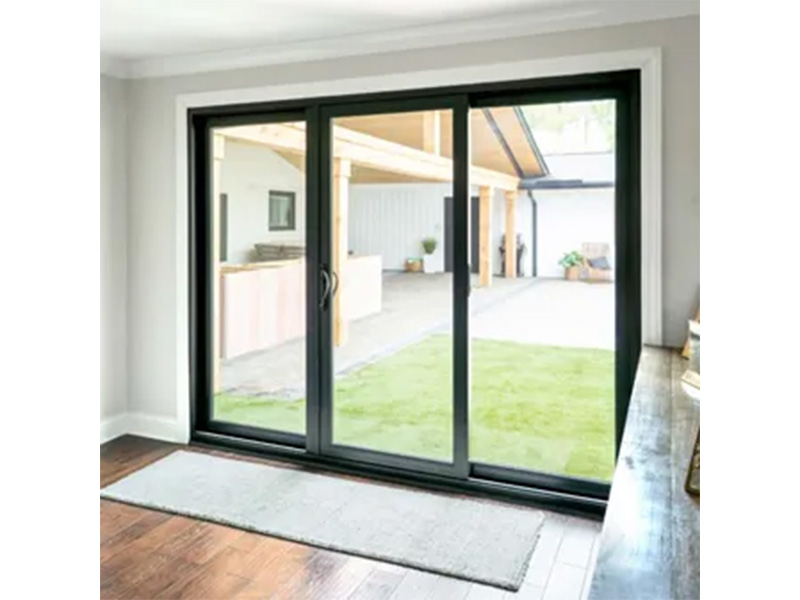
Is the Cold Creeping In? When to Repair vs. Replace Your Winter-Worn Sliding Doors
As the chill of autumn turns to winter, many homeowners begin to notice changes in their homes that went unnoticed during warmer months. One of the most common trouble spots? Your sliding doors. Sliding doors are a focal point of both indoor comfort and outdoor access — connecting living spaces to patios, decks, and backyards. But when temperatures drop, these doors can reveal issues that affect comfort, energy efficiency, and even functionality. Whether you’re debating whether to repair sliding doors or replace sliding doors, understanding the differences between the two options is critical to ensuring your home remains warm, secure, and efficient throughout winter.
At Peak Windows & Doors, we’ve seen how the transition into colder weather can expose sliding door problems many homeowners didn’t realize were lurking beneath the surface. From heat loss and drafts to sticking frames and worn rollers, winter home repair often begins with inspecting your sliding doors. In this comprehensive guide, we’ll walk you through everything you need to know about winter-related sliding door issues — when it’s time for a simple repair and when a full replacement is the smarter, longer-lasting choice.
Whether you are considering weatherproofing your existing door or exploring design upgrades, this blog will help you make an informed decision that saves money, improves comfort, and ultimately protects your home investment.
Understanding the Role of Sliding Doors in Your Home
Sliding doors are more than just portals between the inside and outside — they help regulate temperature, provide natural light, contribute to insulation, and enhance the visual appeal of your home exterior. When winter arrives and the thermostat rises, sliding doors play a critical role in retaining heat inside your home. A properly functioning sliding door prevents drafts, keeps cold air at bay, and supports overall energy efficiency.
Unlike traditional hinged doors, sliding doors operate on tracks and rely on rollers, weatherstripping, and seal integrity to perform effectively. Because of their unique design, they are especially susceptible to wear from seasonal temperature changes, precipitation, and debris accumulation. Over time, sliding doors can warp, develop gaps, or lose their ability to create a tight seal — all of which lead to energy loss and discomfort during winter.
When evaluating your home’s readiness for winter, sliding doors should be part of your seasonal checklist. Even if your doors looked fine at the start of fall, weeks of fluctuating temperatures, ice, and wet conditions can cause them to perform poorly when you need them most.
Common Winter-Related Sliding Door Issues
Before deciding whether to repair sliding doors or replace sliding doors, it’s important to understand the signs of distress that winter can exacerbate:
Drafts and Heat Loss
One of the most noticeable indicators of sliding door issues is the presence of drafts. Cold air near the bottom or sides of the door means that the weatherstripping has degraded, or the frame has shifted. These gaps allow warm indoor air to escape, forcing your heating system to work harder — and your energy bills to climb. Drafts also make rooms feel colder, creating uncomfortable living spaces, particularly near door openings.
Moisture and Condensation
Condensation between glass panes or on the interior surface of the door can signal that insulation is failing. In winter, outdoor temperatures drop, and indoor humidity rises — especially in kitchens or bathrooms. Sliders that aren’t properly sealed allow moisture to build up, leading to foggy glass, mold growth, and even wood to rot if left untreated.
Stiff or Jammed Operation
Cold weather can cause tracks to contract or accumulate ice, making sliding doors hard to open or close. If your door sticks despite regular cleaning and lubrication, this may reflect damage to the roller system or frame warping.
Damaged Weatherstripping
Weatherstripping is the rubber or vinyl material that seals your sliding door against air intrusion. If cracked, brittle, or missing entirely, the door can no longer protect your interior from cold air or moisture. Replacing weatherstripping is often a cost-effective winter home repair — but only when used on otherwise healthy doors.
Visible Gaps or Misalignment
If you can see daylight around your sliding door when it’s closed, or if the frame appears uneven, it’s a sign that the structure no longer aligns correctly. This can happen due to foundation shifts, prolonged exposure to moisture, and temperature cycles that stress the frame.
Understanding these common winter problems helps you determine whether a sliding door repair will suffice, or if a full replacement makes more sense — a decision, we’ll break down next.
When Repair Sliding Doors Is the Right Choice
Repairing sliding doors can be an excellent, cost-effective winter home repair solution when issues are relatively minor and isolated. It’s often appropriate when the door frame is structurally sound, and problems can be resolved through targeted fixes.
1. Weatherstripping Replacement
As sliding doors age, weatherstrips can harden or crack. Replacing weatherstripping restores the seal between the door and frame, immediately reducing drafts and improving insulation. Weatherstripping is typically one of the least expensive ways to enhance energy performance and is often overlooked by homeowners in fall winterization routines.
2. Track Cleaning and Roller Adjustment
Dust, debris, and ice accumulation in tracks can prevent smooth operation. Cleaning the track and adjusting or replacing worn rollers can make your sliding door glide effortlessly again. Peak Windows & Doors technicians begin every winter home repair with a track inspection to ensure no debris hinders performance.
3. Minor Seal and Draft Fixes
Small gaps can sometimes be sealed with caulking or foam tape. For older sliding doors suffering from small, irregular openings due to minor settling, these quick fixes can extend the life of your current door.
4. Lock and Hardware Adjustments
Misaligned locks or worn hardware can compromise the door’s ability to close tightly. Adjusting or replacing handles, locksets, and catches is often a worthwhile winter home repair that restores function and security.
Choosing to repair sliding doors rather than replace them is usually best when these problems can be addressed individually without significant investment, and when the door frame and glass units are in generally good condition.
When It’s Time to Replace Sliding Doors
There are times when repairing sliding doors is only a temporary fix — or worse, a waste of money — because the fundamental issues point toward deeper failure. In these cases, replacing sliding doors is the smarter, more cost-effective long-term solution.
1. Persistent Drafts After Repairs
If drafts remain even after weatherstripping and sealing efforts, it suggests the door system itself has lost integrity. This often occurs when the frame is warped, glass seals have failed, or the door has aged beyond minor fixes.
2. Condensation Between Panes
Moisture trapped between glass panes is a sign of failed insulated glass units (IGUs). This indicates that the thermal seal has been compromised, allowing moisture and air to penetrate the space between panes. This not only reduces insulation effectiveness but also poses mold and corrosion risks.
3. Structural Damage or Rot
Sliding doors with visible frame damage, serious warping, or rot around the sill and jamb require replacement. These issues compromise both energy efficiency and security, and repairs cannot restore structural stability.
4. Persistent Operational Issues
If the door continues to stick or bind even after track and roller repairs, underlying structural misalignment or track damage may be the cause. In these cases, a replacement sliding door system provides the smooth operation homeowners expect and deserve.
5. Outdated or Inefficient Models
Older sliding doors often lack modern features such as low-E glass, multi-point locking systems, and enhanced thermal breaks. New sliding doors combine improved energy efficiency with advanced materials that outperform older systems in every climate, especially during winter.
6. Integration With Home Renovations
Sometimes sliding door replacement aligns with other home renovation goals, such as upgrading windows, doors, or siding. Replacing sliding doors as part of a coordinated exterior remodel enhances visual cohesion and performance across multiple systems.
When replacement is the best solution, Peak Windows & Doors offers tailored options that fit your style, budget, and performance needs — from classic designs to contemporary multi-panel sliders that blur indoor-outdoor boundaries even in cold weather.
The Role of Professional Inspection in Winter Home Repair
Making the choice between repair sliding doors and replace sliding doors is easier when you have accurate information. A professional inspection is the first step in any effective winter home repair plan. Technicians from Peak Windows & Doors conduct comprehensive assessments that include:
- Checking frame straightness and integrity
- Evaluating roller condition and track cleanliness
- Measuring air leakage and seal effectiveness
- Testing insulated glass units for failure
- Assessing overall hardware condition
- Identifying areas of mold or water intrusion risk
Objective evaluation prevents costly mistakes like repairing a door that should be replaced or recommending a replacement when a repair would suffice. Professional inspection also ensures that your sliding door system meets current energy performance expectations — a critical factor when heating bills rise during winter.
Why Winter Performance Matters for Sliding Doors
Winter isn’t just about cold air — it’s about how your home responds to a combination of elements: wind, moisture, temperature swings, and heating demands. Sliding doors that don’t perform well in winter can lead to:
- Higher energy costs due to heat loss
- Uncomfortable cold spots near doors
- Moisture, mold, and mildew issues
- Increased strain on HVAC systems
- Decreased security and door longevity
Properly functioning sliding doors help seal your home against these problems. Whether through repair sliding doors or replace sliding doors, addressing winter-related issues enhances comfort and reduces long-term expense.
Preparing Sliding Doors for Winter: A Seasonal Checklist
Even before problems emerge, preparing sliding doors for winter is a smart home maintenance step. A seasonal routine includes:
- Inspection Before Cold Weather:
Have a professional look at your doors before temperatures drop. Early detection prevents minor issues from worsening. - Weatherstripping Replacement:
Old or brittle weatherstripping should be swapped out for new, high-performance seals. - Track Cleaning:
Removing debris ensures smooth operation and prevents ice buildup. - Roller Adjustment or Replacement:
Smooth gliding reduces stress on door components and keeps seals tight. - Thermal Upgrade Consideration:
If your current sliding doors are outdated, winter may be the perfect time to plan for an upgrade windows and doors installation that includes high-efficiency glazing.
While homeowners can perform some seasonal checks and cleaning, professional winter home repair services ensure that nothing is overlooked and that your sliding doors are truly prepared for winter challenges.
Modern Sliding Doors: Technology That Battles Winter Better
Today’s sliding doors are dramatically more efficient than those of a decade ago. Advances in materials science and design have produced sliding door systems that outperform older generations in every measurable way.
Improved Thermal Performance
Modern sliding doors use insulated glass with low-emissivity (Low-E) coatings that reflect heat back into your home while preventing cold from seeping inside. Argon or krypton gas fills between panes further improve insulation.
Enhanced Weatherstripping
Contemporary systems use multi-layer weather seals that provide better air and water barriers — significantly reducing drafts even in sub-freezing conditions.
Stronger Frames
Metal frames with thermal breaks avoid heat transfer. Vinyl and fiberglass frames resist warping, expansion, and moisture damage.
Multi-Point Locks
Advanced locks improve both security and sealing tightness, enhancing performance during winter home repair and cold weather.
Smooth Operation
Refined roller technology and precision tracks allow effortless sliding even in temperature extremes.
These improvements explain why replacing sliding doors — rather than repairing them year after year — often makes sense. New doors deliver better performance, lower energy costs, and superior comfort.
Cost Considerations: Repair vs. Replace Sliding Doors
Cost is often the deciding factor for homeowners. Understanding the financial trade-offs helps you make a smart decision:
Cost of Repair Sliding Doors
In cases of minor seal failure or weatherstripping wear, repair costs tend to be lower upfront. However, repeated repairs may accumulate over time. If the root cause is deeper — such as frame distortion — continual repairs can become costly.
Cost of Replace Sliding Doors
Replacement has a higher upfront cost but delivers benefits that amplify over the long term. New sliding doors reduce heating bills, require less maintenance, and often increase property value. Many homeowners find that energy savings and enhanced comfort offset the initial expense over a relatively short time horizon.
At Peak Windows & Doors we provide clear cost breakdowns, enabling you to compare repair vs. replacement realistically. We also offer financing options to make replacements more affordable.
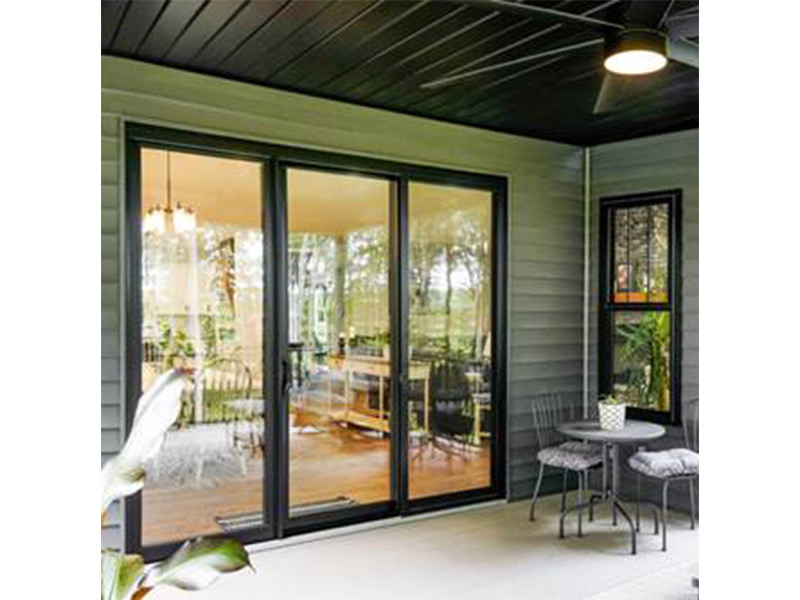
Choosing the Right Sliding Door Replacement
If your home needs new sliding doors, Peak Windows & Doors offers a range of high-quality options. We help you select models based on:
- Energy performance ratings
- Frame materials suited to your climate
- Glass options (Low-E, argon fills, tinted or decorative)
- Security hardware
- Aesthetic preferences that complement your home
Our team ensures professional doors installation that maximizes thermal performance and durability.
Why Professional Installation Matters
Whether you choose to repair sliding doors or replace sliding doors, the quality of installation determines long-term performance. Proper installation ensures:
- Tight seals with no air leaks
- Smooth operation over years
- Proper drainage and weather protection
- Adherence to manufacturer warranties
At Peak Windows & Doors, our certified technicians approach each project with precision and care. We inspect, prepare, install, and verify performance so you can feel confident your sliding doors will perform through the coldest winters.
Final Thoughts: Winter Is Calling — Don’t Ignore Your Sliding Doors
As temperatures dip and winter approach, attention to sliding doors becomes more than routine maintenance — it becomes essential to comfort, efficiency, and long-term home health. Whether repairing minor issues or replacing worn doors with modern high-performance systems, addressing sliding door performance now prevents bigger problems later.
If you are experiencing drafts, difficulty operating your doors, condensation, or persistent cold spots, it may be time to take decisive action. Peak Windows & Doors is here to help with expert inspection, honest recommendations, and professional repair or replacement services tailored to your home and budget.
Don’t wait until the cold creeps in — prepare your sliding doors today, so your home stays warm, efficient, and comfortable all winter long.
When upgrading your home’s patio doors, two popular styles top the list: sliding patio doors and French patio doors. Both offer beauty,…
If your home features sliding glass doors—or you’re considering adding one for that seamless indoor-outdoor flow—internal blinds offer a…