Look for in an Energy-Efficient Window: A Comprehensive Guide
What to Look for in an Energy-Efficient Window: A Comprehensive Guide
When it comes to upgrading your home’s windows, energy efficiency is one of the most important considerations. Whether you’re replacing aging windows, planning new construction, or enhancing your home’s aesthetics, choosing energy-efficient windows can save you money, improve comfort, and increase your property’s value. At Peak Windows & Doors, we specialize in providing high-quality window solutions tailored to your needs, including products from trusted manufacturers like ProVia.
This blog will guide you through the key factors to consider when selecting energy-efficient windows, helping you make informed decisions for your home or business.
Why Choose Energy-Efficient Windows?
- Before diving into the specifics, it’s essential to understand the benefits of energy-efficient windows:
- Reduced Energy Bills: Properly insulated windows reduce the demand on your HVAC system, lowering heating and cooling costs.
- Enhanced Comfort: These windows minimize drafts, maintain consistent indoor temperatures, and reduce external noise.
- Environmental Impact: By using less energy, you contribute to a reduction in greenhouse gas emissions.
- Increased Home Value: Energy efficiency is a sought-after feature, making your property more appealing to buyers.
UV Protection: Many energy-efficient windows block harmful UV rays, protecting your interiors from fading.
Key Features to Evaluate in Energy-Efficient Windows
When shopping for energy-efficient windows, it’s crucial to understand the technical aspects and performance ratings. The following sections break down the most important factors.
1. U-Factor: Measuring Heat Loss
The U-factor, also known as the U-value, is a critical metric for assessing the energy efficiency of a window. It measures the rate of heat transfer through the window assembly, which includes the glass, frame, and spacer system. The U-factor is expressed as a number between 0.20 and 1.20, where lower values indicate better insulation performance. This means that a window with a low U-factor is more effective at reducing heat loss, helping maintain a comfortable indoor environment even during colder months.
Why the U-Factor Matters
During the winter, maintaining a warm and cozy home without overburdening your heating system is a priority. Windows with a low U-factor act as a barrier against heat escaping, preventing the warmth generated inside your home from leaking outside. This directly translates to reduced heating costs, as your HVAC system doesn’t have to work as hard to compensate for energy losses. Additionally, low U-factor windows improve overall comfort by eliminating drafts and cold spots near windows.
The Ideal U-Factor Range
For superior energy efficiency, particularly in cold climates, look for windows with a U-factor of 0.25 or lower. These windows provide excellent thermal insulation, ensuring that your home remains energy-efficient and comfortable.
At Peak Windows & Doors, we take pride in offering ProVia windows, which are engineered with advanced technologies and high-performance materials to achieve impressively low U-factor ratings. Whether you’re replacing old windows or installing new ones, these windows are an excellent choice for retaining heat, reducing energy costs, and enhancing your home’s overall efficiency. With our expert installation, you can be confident that your windows will deliver optimal performance, keeping your home warm and inviting all winter long.
2. Solar Heat Gain Coefficient (Shgc): Managing Solar Heat
The Solar Heat Gain Coefficient (SHGC) is an essential metric for evaluating a window’s energy performance, particularly in managing solar radiation. SHGC measures the fraction of solar heat that
enters a home through a window, expressed as a value between 0 and 1. Lower SHGC values indicate that the window blocks more solar heat, while higher values allow more solar heat to pass through.
Why SHGC Matters
The SHGC is a crucial consideration because it directly impacts your home’s indoor temperature and energy efficiency. In warm climates, where cooling is the primary concern, a low SHGC reduces the amount of heat entering your home, helping to maintain a cooler interior. This can significantly lower your reliance on air conditioning, cutting down energy costs and reducing strain on your HVAC system.
Conversely, in colder climates, a higher SHGC can work to your advantage. Windows with moderate to high SHGC ratings allow more solar heat to penetrate, naturally warming your home during the day. This reduces the demand on your heating system and adds to your overall energy savings. Choosing the right SHGC rating for your windows depends on your climate, the orientation of your home, and your specific heating and cooling needs.
The Ideal SHGC Range
Warm Climates: Opt for a SHGC of below 0.30 to block excess heat and keep your home cool.
Cold Climates: Choose a SHGC in the range of 0.40 to 0.55 to take advantage of solar heat.
At Peak Windows & Doors, we offer windows with customizable SHGC ratings to suit your climate and home orientation. These windows are designed to maximize energy efficiency while ensuring optimal comfort, no matter the season. By combining the right SHGC with expert installation, we help you create a home environment that is both cost-effective and comfortable year-round.
3. Visible Transmittance (VT): The Amount of Natural Light
Visible Transmittance (VT) is a crucial measure of a window’s ability to allow natural light into your home. Represented as a value between 0 and 1, the VT rating indicates the percentage of visible light that passes through a window’s glass. Higher VT values signify more light transmission, while lower values indicate less.
Why VT Matters
The amount of natural light in your home has a direct impact on comfort, energy usage, and ambiance. Windows with a high VT rating allow more natural sunlight to brighten your interiors, reducing the need for artificial lighting during the day. This not only lowers energy costs but also creates a more inviting and pleasant atmosphere.
However, in spaces where excessive light can cause glare—such as home offices or media rooms—a lower VT rating might be preferred. Balancing the amount of natural light with the specific needs of your spaces ensures optimal functionality and comfort.
Ideal VT Range
- Bright Spaces: For areas like living rooms, kitchens, or hallways that benefit from natural light, aim for a VT rating of 0.50 or higher. This ensures plenty of illumination while maintaining energy efficiency.
- Glare Reduction: In spaces where excessive sunlight might be disruptive, such as bedrooms or offices, lower VT ratings can help manage light levels effectively.
How ProVia Windows Enhance VT
At Peak Windows & Doors, we offer ProVia windows designed to achieve an optimal balance between high VT and energy efficiency. These windows use advanced coatings and materials to let in ample natural light while still blocking UV rays and maintaining insulation. With expert installation, ProVia windows can transform your living spaces, ensuring they’re well-lit, energy-efficient, and tailored to your preferences. Whether you’re designing a bright and airy home or managing glare in specific rooms, we have the right solutions to meet your needs.
4. Air Infiltration: Sealing the Leaks
Air infiltration is a critical factor in evaluating a window’s energy performance. It measures the amount of air that leaks through a window, including its frame, seals, and operable parts, under specific conditions. This metric is typically expressed in cubic feet per minute (CFM), with lower values indicating a more airtight window.
Why Air Infiltration Matters
Air leaks in windows can have a substantial impact on your home’s comfort, energy efficiency, and heating and cooling costs. Drafty windows allow outdoor air to infiltrate your home, leading to temperature fluctuations and causing your HVAC system to work harder to maintain a consistent indoor environment. This not only increases energy consumption but can also lead to uncomfortable cold drafts in winter and warm air intrusion in summer.
By choosing windows with low air infiltration rates, you can significantly reduce these issues, creating a more stable and comfortable indoor climate while keeping your energy bills in check.
Ideal Air Infiltration Range
The ideal air infiltration rating for windows is ≤0.30 CFM, which ensures that the window is well-sealed and resistant to leaks. High-quality windows with such ratings are designed with advanced weatherstripping, precision engineering, and durable materials that minimize air leakage.
The Peak Windows & Doors Difference
At Peak Windows & Doors, we offer ProVia windows that meet or exceed these stringent air infiltration standards. ProVia’s innovative designs incorporate state-of-the-art sealing technologies, ensuring superior performance against air leaks. Moreover, our professional installation services guarantee a perfect fit, further enhancing the windows’ airtightness. By minimizing air infiltration, we help you create a home that is not only more energy-efficient but also consistently comfortable, regardless of the weather outside.
5. Condensation Resistance: Combatting Moisture Build-up
Condensation resistance is a key indicator of a window’s ability to prevent moisture from forming on its interior surface. This rating, typically expressed as a number between 1 and 100, reflects how effectively a window resists condensation under certain temperature and humidity conditions. A higher condensation resistance rating indicates better performance in managing moisture build-up.
Why Condensation Resistance Matters
- Condensation forms when warm, humid indoor air comes into contact with cooler window surfaces. While occasional condensation may seem harmless, excessive or persistent moisture can lead to several problems:
- Damage to Window Frames: Wooden frames can warp, swell, or rot due to prolonged exposure to moisture, while metal frames may corrode.
Mold and Mildew Growth: Moisture provides an ideal breeding ground for mold and mildew, which can compromise indoor air quality and pose health risks. - Reduced Energy Efficiency: Excess condensation may signal poor insulation or thermal performance, indicating energy losses through your windows.
Windows with high condensation resistance ratings minimize these risks, protecting your investment and maintaining a healthier living environment.
Ideal Condensation Resistance Range
For effective performance, aim for windows with a condensation resistance rating of 50 or higher. This ensures that the window is designed to handle typical indoor humidity levels without significant moisture build-up.
How Provia Windows Combat Condensation
At Peak Windows & Doors, we offer ProVia windows crafted with advanced materials and innovative glazing technologies. These windows feature insulating frames, Low-E coatings, and gas-filled panes that help maintain a warmer interior glass surface, reducing the likelihood of condensation. Combined with expert installation, our ProVia windows deliver long-lasting protection against moisture, ensuring your home remains energy-efficient, structurally sound, and free from harmful mold or mildew. With these windows, you can enjoy clearer views and healthier air quality, no matter the season.
Materials Matter: Frame and Glass Options
The materials used in your window frames and glass significantly influence energy efficiency.
Window Frame Options
- Vinyl: Affordable, low-maintenance, and excellent insulators.
- Wood: Provides natural insulation but requires regular maintenance.
- Fiberglass: Durable, energy-efficient, and ideal for extreme climates.
- Aluminum: Lightweight and durable but less insulating unless thermally broken.
Glass Technologies
- Double or Triple Glazing: Multiple panes of glass with insulating gas fills (like argon or krypton) improve energy efficiency.
- Low-E Coatings: Microscopically thin coatings that reflect heat while allowing light to pass through.
We offer windows with various frame materials and advanced glass technologies, ensuring you find the perfect match for your needs.
Additional Considerations for Energy-Efficient Windows
Climate Considerations
Choose windows tailored to your local climate. For example:
- Cold climates benefit from low U-factors and moderate SHGC.
- Hot climates require low SHGC and high condensation resistance.
Window Styles
Different window styles affect energy efficiency:
- Casement Windows: Excellent for sealing against air infiltration.
- Double-Hung Windows: These are versatile but may allow more air leakage.
- Sliding Windows: Stylish and functional, but sealing quality is crucial.
Peak Windows & Doors offers a wide variety of styles, including specialty options like bay/bow windows and custom openings.
The Role of Installation in Energy Efficiency
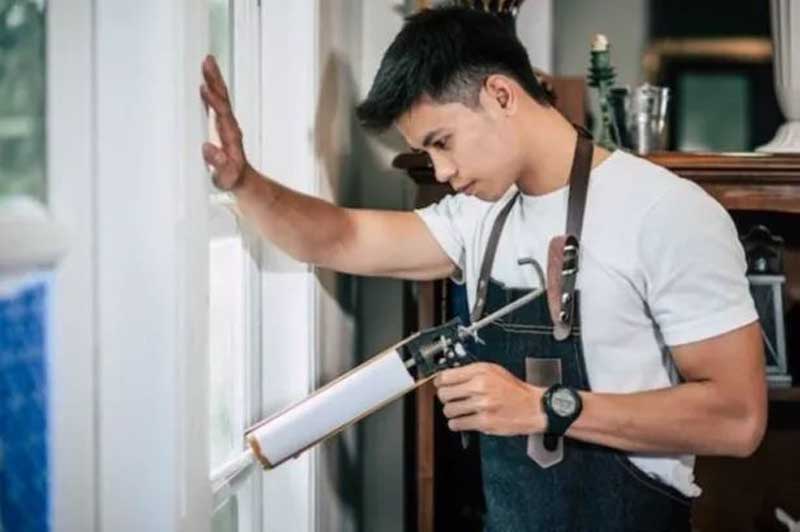
No matter how advanced a window is, improper installation can undermine its performance. At Peak Windows & Doors, we pride ourselves on expert installation to ensure a perfect fit and optimal energy efficiency.
Why Choose Peak Windows & Doors?
At Peak Windows & Doors, we offer a comprehensive range of energy-efficient windows and exterior solutions, including:
- Replacement Windows
- Entry Door Replacement
- Sliding Glass Doors
- Bay/Bow Window Replacements
- Custom Specialty Openings
- Exterior Roofing and Siding Solutions
As authorized installers of ProVia products, we bring you top-of-the-line windows, entry doors, storm doors, and more. Each product is meticulously crafted for durability, style, and energy performance.
Conclusion: Invest in Energy-Efficient Windows Today
Energy-efficient windows are a smart investment for any home or business, offering savings, comfort, and environmental benefits. By considering factors like U-factor, SHGC, VT, air infiltration, and condensation resistance, you can choose windows that enhance your property’s energy performance.
At Peak Windows & Doors, we’re here to help you every step of the way—from selecting the perfect windows to expert installation. Contact us today to explore our range of ProVia products and discover how we can transform your space with energy-efficient solutions.
Why Built-In Dog Doors Are One of the Smartest Upgrades for Pet Owners
Let’s be honest for a second.
If you have a dog, you’re not just a…

Signs Your Entry Door Is Costing You Money
Most homeowners wait until something breaks before they take action.
A cracked window. A door that…