
Avoid Moisture on My Windows This Winter
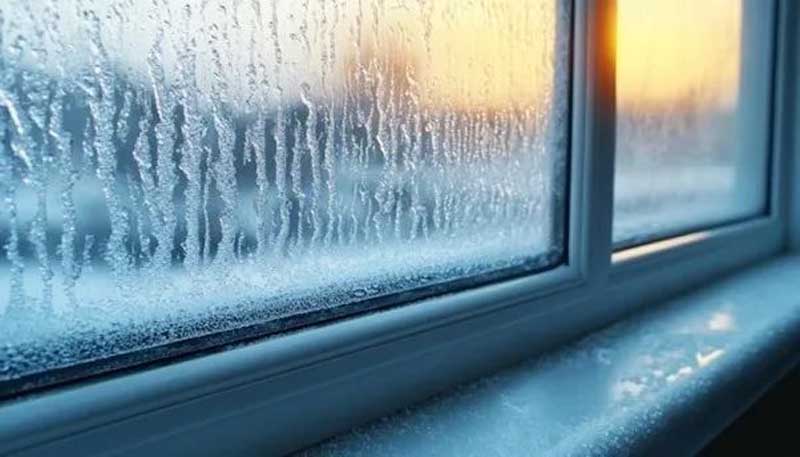
Winter is a time of cozy evenings, warm drinks, and frosted landscapes. However, for homeowners, it can also be the season of unwelcome condensation and moisture on windows. The moisture issue can lead to many problems, including mold, rot, and damage to window frames. If you’re wondering how to avoid moisture on my windows, this blog offers a comprehensive guide to keeping your windows dry and your home comfortable during the colder months.
At Peak Windows & Doors, we understand homeowners’ challenges during winter and are here to help. By addressing the causes of moisture and implementing effective strategies, you can protect your windows and maintain a healthier indoor environment.
Understanding Why Moisture Accumulates on Windows
To effectively tackle moisture on windows, it’s essential to understand why it happens. Condensation occurs when warm, moist air inside your home comes into contact with cold window surfaces. The moisture in the air cools and turns into liquid, resulting in water droplets on the glass.
Key factors contributing to window moisture include
- High indoor humidity: Excess moisture in the air can settle on cold surfaces.
- Poor ventilation: Lack of airflow can trap moisture indoors.
- Temperature differences: The colder your window surfaces are compared to the indoor air, the higher the likelihood of condensation.
- Inefficient windows: Older or poorly insulated windows are more prone to moisture problems.
Why Avoiding Moisture on Windows Matters
Moisture buildup on windows is more than just a seasonal nuisance—it can lead to serious problems if left unaddressed. Understanding the implications of condensation and taking proactive measures to combat it is essential for maintaining a safe and efficient home.
1. Mold Growth
Excess moisture creates the perfect environment for mold and mildew to thrive. Mold spores can spread quickly, particularly in damp areas near windows, triggering allergies, asthma, and other respiratory problems. Black mold, in particular, poses a significant health hazard and requires professional remediation once it takes hold. Addressing condensation early helps prevent this dangerous escalation.
2. Damage to Window Frames
Prolonged exposure to moisture can deteriorate window frames. Wooden frames are especially vulnerable, as they can absorb water, leading to swelling, warping, and eventually rot. On the other hand, metal frames may corrode or rust, weakening their structural integrity. This damage not only compromises the functionality of your windows but also detracts from your home’s overall aesthetic and value.
3. Decreased Insulation
Condensation on windows signals that their thermal performance is compromised. Excess moisture can seep into seals, damaging the insulating properties of double- or triple-glazed panes. This increases energy loss and higher heating bills as your HVAC system works harder to compensate for heat loss through inefficient windows.
4. Health Risks
A damp environment can negatively impact indoor air quality, critical for maintaining a healthy home. Persistent dampness can exacerbate respiratory conditions and lead to chronic health issues for occupants, particularly children, the elderly, or individuals with pre-existing conditions.
Proven Strategies to Avoid Moisture on My Windows
Excess moisture on your windows can be a common yet preventable problem when winter arrives. Addressing it requires combining tools, techniques, and innovative product choices. Here are detailed, practical strategies to keep your windows dry and your home comfortable:
1. Use a Dehumidifier
A dehumidifier is a powerful tool to avoid moisture, directly reducing humidity levels in your home. When indoor air is overly humid, it is more likely to condense on cold surfaces like windows.
- Placement: Place the dehumidifier near windows where condensation frequently appears. This localized approach ensures that problem areas receive immediate attention.
- Settings: Maintain your indoor humidity levels between 30% and 50%. Too much humidity encourages condensation, while too little can make the air uncomfortably dry.
- Modern Features: Many dehumidifiers now include built-in hygrometers and auto-adjust features. These sensors monitor humidity levels and adjust automatically, making the process hassle-free.
- Maintenance: Ensure the dehumidifier’s water reservoir is emptied regularly for optimal performance. Consider a model with a continuous drain option for convenience.
By using a dehumidifier effectively, you’ll avoid moisture on your windows and improve overall indoor air quality.
2. Ensure Proper Ventilation
Ventilation is essential for managing moisture levels, particularly when steam and humidity are generated, such as in kitchens, bathrooms, and laundry rooms. Moist air remains trapped without proper ventilation, settling on cooler window surfaces.
- Exhaust Fans: Always run exhaust fans while cooking or showering. This simple habit helps expel humid air directly outside. Check that your fans are vented outdoors rather than recirculating air back into your home.
- Window Ventilation: Crack open a window for a few minutes daily to let fresh, dry air circulate. This technique works wonders for reducing indoor moisture levels without significant heat loss.
- Air Exchangers: Installing an air exchanger is an energy-efficient way to maintain ventilation in modern, airtight homes. These systems swap stale indoor air for fresh outdoor air, regulating humidity without sacrificing warmth.
Proper ventilation reduces condensation and prevents mold and mildew, ensuring a healthier indoor environment.
3. Promote Air Circulation
Improving air circulation throughout your home helps prevent warm, humid air from collecting on cold surfaces like window panes. Without circulation, stagnant air can exacerbate condensation issues.
- Ceiling Fans: Set your ceiling fans to reverse mode (counterclockwise) in the winter. This pushes warm air downward, keeping window surfaces warmer and less prone to condensation.
- Furniture Placement: Ensure large furniture items, like sofas or bookcases, are not placed too close to windows. Obstructed airflow near windows creates cold zones where moisture can quickly accumulate.
- Open Doors: Keep interior doors open to encourage airflow between rooms, maintaining consistent temperatures and reducing humidity pockets.
Encouraging air movement can drastically minimize the moisture buildup on your windows.
4. Seal Gaps with Weather Stripping
Drafty windows are a common cause of condensation. Warm indoor air escapes through gaps, cooling as it contacts the colder outdoor air, leading to moisture buildup. Weatherstripping is a simple yet effective fix.
- Application: Apply weather stripping around the edges of your windows to seal any noticeable gaps. Foam tape is ideal for irregular surfaces, while V-strips work well for sliding windows.
- Durability: Opt for high-quality, weather-resistant materials to ensure long-lasting results, even in extreme conditions.
- Additional Benefits: Weather stripping improves your home’s energy efficiency by reducing heat loss, which can lower your heating bills.
Sealing your windows prevents condensation and enhances overall comfort during the winter months.
5. Reduce Moisture Sources
Controlling the activities introducing excessive moisture into your home is critical to preventing window condensation.
- Shorter Showers: Long, hot showers release significant amounts of steam into the air. Reducing shower duration and using cooler water can minimize this effect.
- Dry Clothes Outdoors: If possible, avoid drying clothes indoors, as this practice adds substantial moisture to your home’s air. Use a vented dryer to expel humid air outside.
- Firewood Storage: Freshly cut firewood contains moisture that gradually evaporates into the surrounding air. Store firewood in a well-ventilated area to avoid contributing to indoor humidity.
Limiting these moisture sources will significantly reduce condensation on your windows.
6. Insulate Windows with Coverings
Window coverings, such as curtains or blinds, are essential in maintaining your home’s thermal efficiency and reducing condensation.
- Thermal Curtains: Choose insulated or thermal curtains designed to retain heat. By keeping window surfaces warmer, these curtains minimize the chances of condensation forming.
- Blinds: Honeycomb or cellular blinds are excellent insulators, trapping air within their layers and providing a barrier against cold.
- Smart Usage: Keep window coverings slightly open during the day to let sunlight warm the glass naturally. Close them at night to retain heat and create a cozy indoor environment.
Proper windows’ insulation prevents condensation and contributes to lower energy costs.
7. Upgrade to Energy-Efficient Windows
If you have older windows or single-pane glass, upgrading to modern, energy-efficient models is a long-term solution to avoid moisture.
- Replacement Windows: Double- or triple-glazed windows offer superior insulation, reducing temperature differences that cause condensation.
- Low-E Coatings: Low-emissivity (Low-E) window coatings reflect heat into your home, keeping interior glass surfaces warmer and less likely to condense.
- Custom Options: Companies like ProVia provide custom window solutions tailored to your home’s design, ensuring a perfect fit that eliminates gaps and drafts.
Investing in high-performance windows is a surefire way to enhance comfort and protect against moisture-related issues.
8. Utilize ProVia’s Superior Products
ProVia products are designed with advanced technology to withstand harsh winter conditions, making them ideal for avoid moisture on your windows.
- Multi-Step Finishing Systems: ProVia windows and doors feature durable finishes that resist wear and tear, maintaining their integrity even in extreme weather.
- Energy Efficiency: ProVia’s windows are engineered for superior thermal performance, reducing heat transfer and condensation.
- Custom Specialty Openings: For unique architectural needs, ProVia offers custom specialty openings that fit perfectly and eliminate potential problem areas where moisture might gather.
By choosing ProVia products, you gain peace of mind knowing your home is equipped with the best protection against winter moisture.
Seasonal Maintenance Tips to Prevent Moisture
Maintaining your windows regularly is a proactive way to avoid moisture buildup during winter. Seasonal care ensures that your windows remain dry, extends their lifespan, and improves your home’s overall efficiency.
Clean Your Windows
Dirt, dust, and debris on windows can trap moisture, creating the perfect environment for condensation. Cleaning your windows inside and out removes these particles, preventing moisture from settling. Use a gentle glass cleaner and a lint-free cloth to ensure a streak-free finish. For stubborn grime, especially around the edges, a soft brush or vacuum attachment can help clear away residue that might contribute to water pooling.
Inspect Seals Regularly
The seals around your windows play a critical role in keeping moisture out. Over time, these seals can degrade, leading to air leaks and water intrusion. Inspect your window seals at the start of the season, looking for cracks, gaps, or peeling. If you notice damage, promptly replace the seals with weatherproof caulking or stripping. Properly sealed windows prevent warm indoor air from escaping and keep cold, moist air from entering.
Keep Gutters Clear
Clogged gutters can cause rainwater to overflow and seep into your window frames, leading to rot and water damage. Regularly remove leaves, twigs, and other debris from your gutters to ensure proper drainage. Consider installing gutter guards to minimize buildup and direct water away from your home’s foundation and windows.
By implementing these simple maintenance tips, you can protect your windows from winter moisture and enjoy a comfortable, dry indoor environment.
Benefits of Avoiding Moisture on My Windows
Preventing moisture on your windows offers several key advantages that protect your home and enhance your living environment:
1. Enhanced Durability
Moisture can cause wooden window frames to rot and metal frames to rust, reducing lifespan. By addressing moisture, you preserve the structural integrity of your windows, reducing repair and replacement costs.
2. Improved Indoor Air Quality
Condensation fosters mold and mildew, which can negatively affect indoor air quality and trigger respiratory issues. Preventing moisture eliminates this risk, creating a healthier home environment for your family.
3. Lower Energy Bills
Moisture often signals poor insulation, allowing warm air to escape. Fixing this issue improves your windows’ efficiency, reduces heat loss, and lowers energy costs during the colder months.
4. Increased Curb Appeal
Clean, condensation-free windows enhance the look of your home, improving its curb appeal and maintaining its value. Clear windows create a polished appearance, which is beneficial for daily enjoyment or resale purposes.
Addressing moisture protects your home and ensures a comfortable, efficient, and visually appealing living space.
Partner with Peak Windows & Doors
At Peak Windows & Doors, we are committed to helping you maintain a comfortable and moisture-free home. Our range of ProVia products, including replacement windows, new construction windows, entry doors, French doors and sliding glass doors, is designed to withstand winter conditions while enhancing your home’s style and efficiency.
Contact us today if you’re ready to upgrade your windows or need expert advice on avoiding moisture this winter. Let us help you enjoy a warm, dry, and beautiful home all season.

Spring is the perfect time to let your home breathe—fresh air, cleaner lines, and especially more natural light. Beyond the aesthetic boost,…

Creating a home that reflects your personality, fits your lifestyle, and impresses your guests starts with thoughtful design—from the inside…