
Tips to Maintain Your Home’s Windows and Doors Before Fall
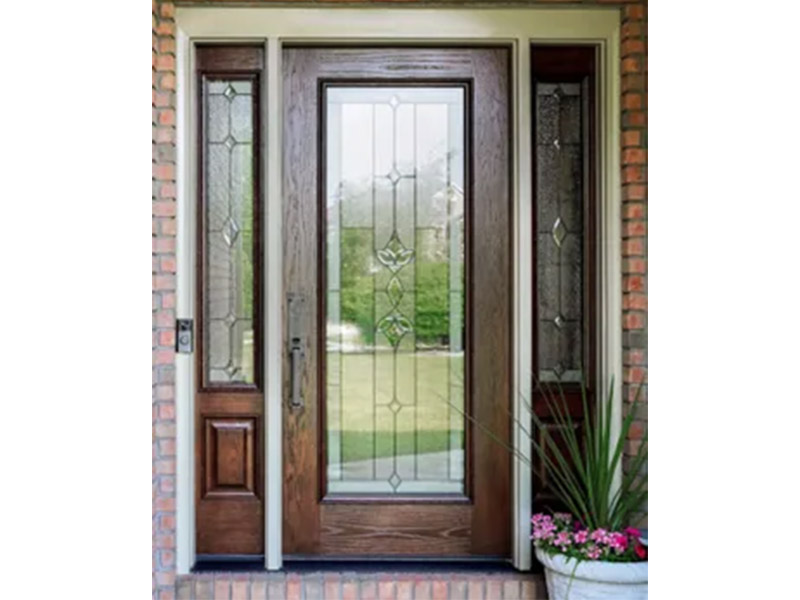
As summer winds down and the days start to shorten, homeowners enter a perfect window of opportunity to prepare their houses for the cooler months. Autumn is the season when minor issues become obvious — a sticky window that cramped your patio sessions in July starts to seize in September, a draft that was bearable in late summer becomes painfully apparent once the heater comes on. Good home maintenance now prevents bigger problems later: lower energy bills, fewer emergency repairs, and a more comfortable, weatherproof home as temperatures drop.
In this long-form guide, Peak Windows & Doors walks you through everything you and a professional team can do to get your windows and doors ready for the fall season. We’ll cover inspection techniques, step-by-step maintenance, and little upgrades that deliver significant benefits, as well as when to call in our windows and doors installation specialists.
Why Fall Season Maintenance Matters
Leaving windows and doors unserviced going into autumn is like leaving your coat at the back door before a cold snap: you’ll feel the consequences quickly. The fall season brings cooler nights, more rain, and a shift in humidity that often reveals problems that were hiding in summer’s heat. Moisture infiltration becomes more likely as storms become more frequent; materials expand and contract with changing temperatures, and small gaps widen into drafts. Effective fall season maintenance minimizes heat loss and cold drafts, protects against water damage, and helps ensure your home is secure and visually appealing through the holiday months.
Energy efficiency is the most immediate and measurable benefit. Drafty windows and poorly sealed doors force heating systems to work harder, bumping up energy bills and wearing equipment faster. In addition, well-maintained windows and doors improve indoor comfort and reduce noise, keep pests and rain out, and protect finishes and trim from the kind of repeated moisture exposure that causes rot and mildew. Whether you’re doing home window maintenance yourself or scheduling professional fall season maintenance, the payoffs show quickly.
Start With a Thorough Inspection: What to Look For
Before you clean, caulk, or lubricate anything, spend time inspecting every window and door on your property. Systematic assessment is the foundation of all good home maintenance.
Begin outside and walk the perimeter of the house. Look for cracked paint, peeling finishes, gaps between siding and trim, streaks or stains under windows (which can indicate flashing failures), and any signs of rot or soft wood around the jambs and sill. Open and close each door; listen for scraping sounds, watch for misalignment, and test locks and deadbolts. For windows, open all sashes, tilt them inward if possible, and inspect the sills and tracks. Note condensation trapped between panes — that usually signals seal failure. Check screens for tears or sagging and examine the weep holes on sills and sliding tracks to ensure proper drainage paths remain open.
Indoors, inspect the interior trim and the drywall surrounding window and door openings. Stains, bubbling paint, or fuzzy mold growth near corners are red flags for moisture. Use a basic handheld moisture meter if you have one; readings consistently above 20–25% in wood around openings may suggest ongoing moisture infiltration. Document everything — take photos and notes — so you can prioritize repairs and share accurate information with professionals if needed.
Home Windows Maintenance: Deep Dive
Windows do a lot of work: they admit light, provide ventilation, and, ideally, act as part of your thermal envelope. Proper home window maintenance keeps them doing that work efficiently.
Cleaning and Glass Care
Start with a thorough cleaning inside and out. Use warm water and a small amount of mild dish soap; avoid abrasive cleaners and power washers that can damage seals and frames. For best streak-free results, wash on a cloudy day so solutions don’t dry too quickly. Clean both sides of the glass, wipe down frames and sills, then dry everything thoroughly. Remove paint splatters and stubborn spots with a plastic scraper, not metal, to avoid scratching.
Tracks, Sills, and Weep Holes
Debris in tracks prevents smooth operation and can block drainage. For sliding or double-hung windows, remove dirt with a vacuum brush attachment, clear weep holes with a soft brush or cotton swab, and follow with a wipe using the soapy water. Avoid lubricating weep holes; instead, keep them clear so that rainwater drains out properly. After cleaning tracks, apply a dry silicone spray to rollers — not oil — to preserve glide without attracting grit.
Seals, Glazing, and Insulating Performance
Check the integrity of seals and glazing compounds. If you see cracks in glazing putty or felt gaps, these allow moisture and cold air to enter. For damaged glazing beads or failed seals that cause fogging between panes, a professional evaluation is often the best route: insulated glass unit (IGU) replacement or resealing improves energy efficiency dramatically. Low-E coatings and gas fills are standard in modern units; if those features fail, replacing the IGU or upgrading to newer, higher-performance glass is worth considering.
Weatherstripping and Hardware
Inspect weatherstripping for brittleness, compression, or loss of adhesion. Replacing old weatherstrips is inexpensive and highly effective at eliminating drafts. Tighten loose screws on hardware, and lubricate moving parts with a suitable silicone lubricant to prevent wear. For locking mechanisms, ensure they engage fully; misaligned keeps can be adjusted with shims or by tightening/loosening strike plates.
Screens and Insect Protection
Clean screens by removing them and rinsing with soapy water, then allow them to dry thoroughly before reinstalling. Repair or replace torn screens; a well-sealed screen frame reduces insect infiltration and also helps protect the glass during storms.
Condensation and Ventilation
Condensation during fall mornings can signal high indoor humidity. Ensure bathrooms and kitchens have functioning exhaust fans and use them properly. If condensation is persistent, evaluate your home’s ventilation strategy; in some cases, a dehumidifier or a balanced ventilation system will reduce moisture and protect windows and finishes.
When Replacement Makes Sense
If your windows are old, single-pane, or have persistent seal failures, consider replacing them. Modern replacement windows substantially improve thermal comfort and often pay back part of their cost through energy savings. Peak Windows & Doors offers expert window and door installation services and can recommend products tailored for Bear, DE’s climate, ranging from durable vinyl to high-performance fiberglass or composite frames.
Home Doors Maintenance: Keep the Threshold Secure and Dry
Doors are both portals and protective seals. Proper home door maintenance preserves its function, style, and energy performance.
Inspecting Door Assemblies
Begin by checking the door operation: does it latch smoothly? Do you notice gaps at the head, sides, or between the door bottom and threshold? Look for peeling finishes, swelling at the bottom edges, and corroded hardware. For wooden doors, probe the bottom edge and the jamb for softness (early wood rot). If you find damage, address it quickly to prevent escalation.
Thresholds and Sill Protection
Thresholds take a direct beating from foot traffic and weather. Check the threshold for cracks, warping, or separation from the sill. A loose or damaged threshold allows water to enter the opening. Some thresholds integrate thermal breaks and adjustable inserts — inspect these and replace worn elements. If you have a storm door or a sill pan under your exterior door, verify its condition and ensure flashing integration with siding is intact.
Weatherstripping and Air Seals
Weatherstripping is the first line of defense against drafts. Inspect gasket bulbs, V-strip, and door sweeps for gaps and degradation. On wooden doors, replace the sill or add a door sweep if the bottom gap is significant. For metal or fiberglass doors, new foam tape or compression seals restore airtightness easily. Sealing is an inexpensive step that improves energy efficiency quickly.
Hardware, Hinges, and Locks
Locks and deadbolts are critical for security and must function smoothly. Lubricate cylinders with graphite or manufacturer-recommended products and tighten any loose screws on strike plates. Hinge pins may squeak or wear; take them apart, clean, and apply a light lubricant if needed. If your door sticks seasonally, it can sometimes be corrected with hinge adjustment or minor planing rather than a replacement.
Finish and Wood Care.
Exterior finishes protect against moisture. For wood doors, examine finish integrity: if paint or stain is failing, sand and refinish before more aggressive decay sets in. Fiberglass and steel doors benefit from periodic washing and inspection for scratches in the finish; repair chips promptly with compatible touch-up materials to prevent rust or moisture penetration.
Storm Doors and Protection Options
A storm door extends the life of the primary door and provides ventilation options during mild weather. Inspect storm door glazing, weatherstripping, and latch mechanisms. If your climate sees heavy wind-driven rain, consider a storm door with better seals or a removable screen for summer months.
Security and Upgrades
If your locks are outdated, consider upgrading to a higher-grade deadbolt or a multi-point locking system for French or patio doors. Modern hardware improves security and often integrates with smart home systems for remote monitoring—something many homeowners add during fall season maintenance as the holiday season approaches.
When to Replace the Door Assembly
Replacement is warranted when the frame is compromised (rot, deep structural damage), when operation cannot be restored with adjustments, or when the door lacks modern insulation properties and you want significant efficiency gains. Peak Windows & Doors provides professional front door services and custom door installations to ensure new doors fit perfectly and integrate flashing and weather barriers correctly.
Fall Maintenance Schedule & Quick Checklist
A seasonal plan keeps home maintenance manageable. Here’s a practical approach:
Early Fall (September)
- Clean exterior windows and inspect glass and seals.
- Clear gutters and ensure downspouts are functioning.
- Vacuum and clean window and sliding door tracks; clear weep holes.
- Replace worn weatherstripping and door sweeps.
- Inspect thresholds and exterior trim for soft spots or peeling finishes.
Mid-Fall (October)
- Service locks, lubricate hinges and rollers, and adjust hardware for smooth operation.
- Check attic ventilation and insulation levels to prevent cold-related condensation.
- Touch-up paint or stain on doors and trim where the finish has failed.
- Address any flashing repairs or call for professional flashing installation if leaks are detected.
Late Fall (November)
- Test the heating system and thermostat; monitor indoor humidity and adjust ventilation as needed.
- Make plans for any window or door replacements you discovered earlier.
- Install storm doors or storm windows if you use them for winter protection.
Keeping a simple maintenance log — date, action, and observations — helps next season’s assessment and creates a valuable record for future repairs or resale.
Peak Windows & Doors Services: How We Support Your Fall Season Maintenance
Peak Windows & Doors provides a full suite of services to support your fall maintenance and improvement projects:
- Home window maintenance services include cleaning, IGU diagnostics, seal replacement, and professional window replacement.
- Home door maintenance services include threshold repair, weatherstripping replacement, refinishing, lock upgrades, and storm door installation.
- Sliding door and patio door services: track and roller replacement, seal repair, and complete system replacement.
- Structural and envelope interventions include flashing installation, sill pan retrofits, siding coordination, and mitigation of wood rot.
- Custom specialty openings and window enlargement for projects that reimagine light and sightlines.
- Professional installations of ProVia and other trusted products provide a factory-finished look and durable performance.
Our team provides on-site assessments, transparent quotes, and a clear action plan so you can prioritize work and budget over the fall and winter months.
Final Thoughts: Make This Fall Count
A little effort in the autumn pays off in comfort, energy savings, and long-term durability. Whether you tackle straightforward home maintenance tasks yourself or hire Peak Windows & Doors for professional window and door maintenance, prioritizing fall season
A well-designed door is far more than an entry point: it’s a statement, a weather barrier, an energy-saving feature, and an architectural…
If you’re thinking about upgrading the windows in your home, you want products that combine beauty, durability, and measurable performance. At…