
How Should I Handle Wood Rot Around My Front Door?
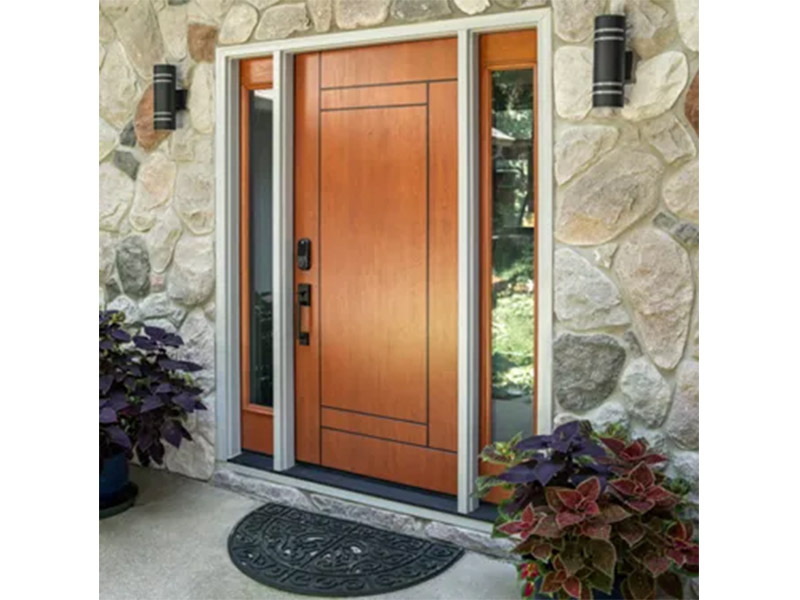
Wood rot around a front door is one of those problems that sneaks up slowly and then suddenly becomes impossible to ignore: swollen jambs that make the door stick, soft trim that flakes away at the touch, dark stains, and a musty smell that says moisture has been working quietly for months. Handling wood rot the right way protects your home’s structure, improves energy efficiency, and keeps your front door looking—and functioning—like new.
In this comprehensive guide, Peak Windows & Doors covers everything you need to know, including how to identify rot, its causes, safety concerns, DIY repair techniques, complete replacement options, prevention strategies, approximate costs, and how our front door services can assist when professional expertise is required.
What Is Wood Rot — and Why It Happens
Wood rot is a broad term for the fungal decay that attacks wood when moisture and oxygen are present. There are two common types:
- Brown rot (dry rot): breaks down cellulose and leaves wood brittle and crumbly; often causes cubical cracking.
- White rot: degrades lignin and cellulose, leaving wood stringy and spongy.
Both types thrive where wood stays damp for long periods. Around a front door, water intrusion may be caused by failed flashing, damaged thresholds, missing or cracked caulk, poor drainage, or even condensation. Left unaddressed, rot spreads from trim and sills into the door jamb, framing, and occasionally the subfloor, creating structural problems and energy loss.
Understanding how to handle wood rot starts with understanding moisture paths—how water gets in, where it sits, and how it travels. If you can stop the water, you can prevent the rot.
How to Identify Wood Rot Around the Front Door
Early detection matters. Here are practical, reliable signs that you need to handle wood rot:
- Soft or spongy wood: Press the wood with a screwdriver or awl. If it penetrates easily or crumbles, rot is present.
- Discolored or darker wood: Water stains, black or brown streaks, or powdery white growth suggest active decay.
- Peeling paint or blistering: Repeated paint failure is often caused by moisture trapped in the wood.
- Musty odor: A distinctive, damp, earthy smell often accompanies hidden rot.
- Gaps and swelling: Doors that stick or no longer close properly often point to swollen jambs or sills.
- Visible fungal growth: Mushrooms or mold near the base of the door or on trim signals high moisture and possible rot.
Use a small screwdriver or awl to probe suspect areas. For a less-invasive test, a moisture meter is a great tool: readings over 20%–25% typically mean excess moisture that can support rot. Inspect both interior and exterior faces—sometimes the outward wood looks fine while the interior has advanced decay.
Root Causes: Why Rot Shows up Around Front Doors
To handle wood rot effectively, you must fix the root causes; otherwise, repairs are temporary. Familiar sources of moisture and rot include:
- Poor flashing and sill pans: Missing or incorrectly installed flashing lets wind-driven rain get into the rough opening.
- Worn or missing caulk/weatherstrip: Broken seals allow water to follow crevices into the frame.
- Tilted thresholds or blocked drainage: Water pools instead of draining away.
- Damaged siding or trim gaps: Water can run behind siding and saturate the jamb.
- Improper paint/finish or failed factory finish: Exposed end grain and unsealed joints absorb moisture quickly.
- Condensation and poor ventilation: High interior humidity leads to condensation near cooler exterior surfaces.
- Pests and mechanical damage: Insects or nicks in the finish create entry points for moisture.
Fixing symptoms without addressing the underlying conditions will only lead to a return of the same problem. That’s why a successful strategy to handle wood rot mixes direct repair with preventive corrections.
Inspecting the Extent of Damage: How Deep Has the Rot Spread?
Before choosing a remedy, evaluate how extensive the rot is. There are three broad scenarios:
- Superficial surface rot: Trim or paint is failing; the underlying structural wood is mostly sound. Often repairable in a few hours with patching and sealing.
- Localized structural rot: Jambs, sills, or pieces of framing are soft or missing, but the majority of the structure is intact. Requires partial replacement or splice repair.
- Extensive structural rot: Load-bearing elements, sill plates, or framing are severely compromised. This needs immediate professional attention and possibly a full door and frame replacement.
Tools for inspection:
- Screwdriver/awl for probing.
- Moisture meter for moisture mapping.
- Pry bar to remove trim and reveal hidden rot.
- Flashlight and inspection mirror for hard-to-see areas.
If rot reaches into framing members, or if there is noticeable sagging, sticking, or visible structural deformation, stop DIY repairs and call a professional. Handling wood rot in load-bearing areas without proper structural knowledge can be dangerous and costly.
When to Choose Professional Repair or Replacement
You should call a professional if:
- Rot extends into structural framing or sill plates.
- Door operation is affected (sticking, misalignment).
- Moisture source is unclear or persistent after DIY fixes.
- You’re uncertain about removing load-bearing framing.
- The door is old enough that a full replacement is cost-effective.
Peak Windows & Doors provides professional assessment and repair that goes beyond fixing visible rot. Our approach includes moisture mapping, structural evaluation, proper flashing and sill pan installation, and, if needed, precise door replacement with factory-finished options that won’t require onsite painting. When a full replacement is necessary, we ensure proper rough opening prep, insulated jambs, thermal breaks, and leak-proof integration with siding and trim.
Advanced Repair Methods: Splices, Full Jamb Replacement, and Sill Pans
When you need more than a cosmetic fix, consider these approaches:
The Splice Method
- Remove the rotten portion and cut back to sound wood.
- Fabricate a replacement piece that matches the profile.
- Fit the splice and fasten with exterior adhesive and stainless-steel screws or bolts.
- Seal seams with epoxy and paint.
Splices retain original framing and are often used when only part of a jamb or trim piece has failed.
Full Jamb and Sill Replacement
- Remove door slab and trim.
- Remove the entire jamb and sill assembly if extensively decayed.
- Install a prefabricated, treated sill pan with integrated flashing or a custom sill pan membrane; nail flange must be integrated with weather barrier.
- Fit new jambs (pressure-treated or composite), shims, and insulate between the jamb and opening. Then, fit a new door.
This is effectively a door replacement and ensures a long-term, leak-free solution.
Sill Pan and Flashing
A proper sill pan receives any incidental water and routes it outside. Professional installations use metal or composite sill pans, self-adhesive flashing tapes, and correctly lapped head and jamb flashing. A correctly built sill pan with integrated flashing is the single most crucial feature to prevent future rot.
Preventing Recurrence: Best Practices to Stop Wood Rot From Coming Back
Handling wood rot includes prevention. Use these long-term strategies:
- Install or repair flashing: Properly installed head, jamb, and sill flashing is essential.
- Use durable materials: Pressure-treated sills, fiberglass or composite jambs, and rot-resistant trim reduce risk.
- Keep paint and finishes maintained: Repaint or re-stain as needed; seal end grain.
- Maintain caulking and weatherstripping: Inspect yearly and replace compromised seals.
- Control drainage and grading: Ensure water flows away from the door and foundation.
- Manage humidity: Use exhaust fans and maintain indoor humidity below 50% to reduce condensation.
- Gutter upkeep: Clean gutters and downspouts to prevent roof runoff from overflowing near doors.
- Install protective overhangs or awnings: Roof overhangs reduce direct water exposure at the entrance.
Many of these preventive steps are part of the front door services Peak Windows & Doors offers at installation and maintenance.
Temporary Fixes: What to Do While You Plan a Permanent Repair
If you find rot and need a short-term measure before a complete repair:
- Remove loose material and apply a temporary epoxy filler to block moisture entry.
- Use quality outdoor caulk on visible seams and gaps.
- Place a temporary drip cap or small awning to divert rain from the affected area.
- Avoid painting over soft rot—this traps moisture and hides the problem.
Temporary fixes are not solutions; treat them as stop-gaps while you schedule a permanent repair.
Cost Considerations: What Handling Wood Rot Typically Costs
Costs vary widely depending on the extent of damage, materials, and labor. Typical ranges:
- Minor trim repairs and epoxy patching: $50–$400 (materials and small labor)
- Partial jamb splices or localized sill repair: $300–$1,200
- Complete jamb and sill replacement (including new door): $800–$3,500 or more, depending on door type and finish
- Full door/frame replacement with upgraded materials and flashing: $1,200–$6,000+ (premium doors, custom sizes, or high-end hardware increases cost)
These are ballpark figures. A precise estimate requires an onsite inspection by a professional who can evaluate structural conditions, quantify necessary flashing and framing work, and recommend materials. At Peak Windows & Doors, we provide transparent estimates and advise on cost-effective approaches that maximize lifespan and warranty support.
Safety and Structural Concerns: When Rot Is a Serious Problem
If rot has spread into studs, headers, or sill plates, the issue is structural. Signs include:
- Doorways or windows are no longer square.
- Sagging floors or ceilings near the opening.
- Visible separation between framing members.
Structural repairs often require adding temporary supports (shoring) and replacing compromised members with pressure-treated lumber or engineered lumber. These tasks should be left to licensed professionals and may require permits. Peak Windows & Doors coordinates structural contractors and ensures compliance with local building codes when structural elements are involved.
Why Professional Front Door Services Are Worth It
When you need to handle wood rot thoroughly and permanently, professional front door services provide:
- Expertise in diagnosing the moisture path and rot extent.
- Quality installation of sill pans, flashing, and weather barriers.
- Access to durable materials (rot-resistant jambs, composite sills, factory-finished doors).
- Proper integration with siding, trim, and roofing to prevent future leaks.
- Warranty protection on labor and product when working with reputable manufacturers.
At Peak Windows & Doors, our front door services include a full inspection, moisture mapping, repair or replace recommendations, precise installation, and finishing. We source high-quality doors and components, and we stand behind our work with follow-up and maintenance guidance. For homeowners in Bear, DE, and surrounding areas, we also coordinate with siding and roofing partners to deliver a cohesive exterior repair.
Maintenance Checklist to Prevent Future Rot
Keep the rot away with an annual maintenance routine:
- Inspect outside caulk and seams around the door for cracks.
- Check weatherstripping and thresholds for wear.
- Clean and clear gutters and downspouts.
- Test door operation seasonally to detect swelling early.
- Repaint or touch-up finishes before they fail.
- Look for signs of softening at corners and the underside of sills.
A little preventive care saves time and money later.
Peak Windows & Doors — How We Help You Handle Wood Rot
When homeowners ask how to handle wood rot around their front door, Peak Windows & Doors offers a clear, dependable path:
- Thorough inspection: We probe surfaces, check moisture readings, and remove minimal trim to view hidden areas.
- Action plan: We recommend the least invasive solution that will be durable—repair, splice, or replace.
- Quality execution: We use sill pans, proper flashing tapes, treated sills or composite jambs, and factory-finished doors to minimize future maintenance.
- Integration work: We coordinate with siding, gutter, and roofing services to ensure the entire envelope is corrected.
- Follow-up & warranty: We provide care guidance and back our installations with workmanship and product warranties.
We also offer replacement windows, entry doors/sliding glass doors, custom specialty openings, and siding repair—so if handling wood rot unveils a bigger renovation opportunity, we can manage the whole job.
Final Thoughts
Wood rot around a front door is more than cosmetic—it’s a sign that moisture has breached your home’s defenses. To handle wood rot correctly, you must identify and fix the leak source, remove all decayed material, and restore the assembly with proper flashing, rot-resistant materials, and high-quality finishes. For minor damage, skilled DIY repairs with wood hardener and epoxy are effective. For structural or widespread rot, professional assessment and repair or replacement by experienced front door services are the safer, longer-lasting choice.
If you’re in Bear, DE, or the surrounding region and are wondering how to handle wood rot at your entry, Peak Windows & Doors is ready to help. We’ll inspect, diagnose, and deliver a repair or replacement plan suited to your home and budget—so your front door will be secure, weatherproof, and beautiful for years to come. Contact us to schedule an inspection and get a clear, no-pressure plan to protect your home.
A well-designed door is far more than an entry point: it’s a statement, a weather barrier, an energy-saving feature, and an architectural…
If you’re thinking about upgrading the windows in your home, you want products that combine beauty, durability, and measurable performance. At…