
Fall Energy-Saving Tips Recourse
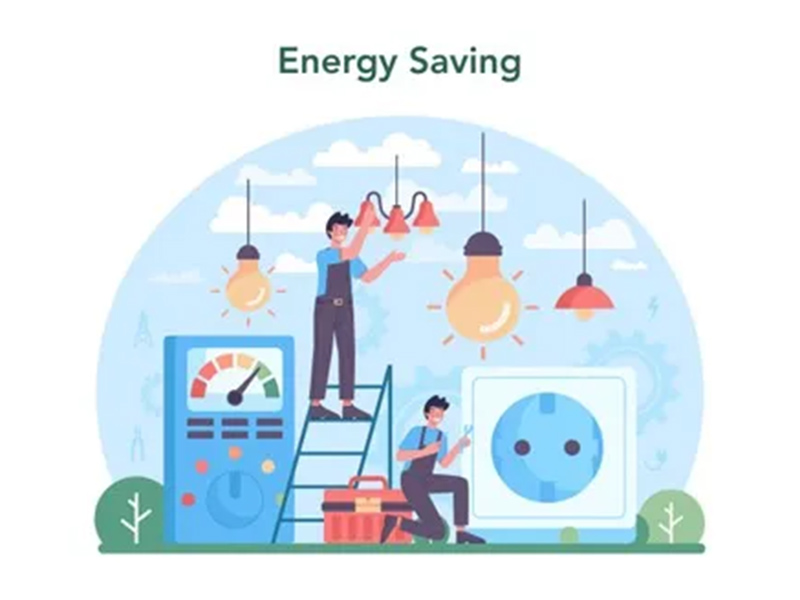
Autumn is the season of sweaters, warm drinks, and short, crisp days — and it’s also the perfect time to prepare for your home for the months ahead. If you want to lower heating bills, reduce drafts, and make your living spaces more comfortable, implementing smart fall energy-saving habits and upgrades now pays dividends through winter and beyond. This resource collects practical, proven Fall Energy-Saving Tips that cover both simple do-it-yourself actions and strategic upgrades—especially those involving windows, doors, sliding systems, and building envelope improvements. As Peak Windows & Doors, we’ll explain how routine maintenance, weatherproofing, and targeted replacement windows and doors replacement work together to deliver real energy savings and long-term value.
Why Fall Energy-Saving Tips Matter
The transition from summer to fall brings cooler nights and increased heating use. As outdoor temperatures drop, your home’s weak points—single-pane windows, failing seals, worn weatherstripping, and uninsulated doors—become obvious energy drains. Tackling these issues with Fall Energy-Saving Tips will:
- Reduce monthly heating costs by preventing heat loss.
- Improve indoor comfort and temperature consistency.
- Reduce wear on HVAC systems by cutting unnecessary runtime.
- Increase the lifespan and performance of windows and doors.
- Save money in the long-term through fewer emergency repairs and higher energy efficiency.
Many homeowners underestimate how much heat escapes around windows and doors. That’s where practical fall-focused steps and, when needed, professional windows and doors replacement come in.
Understand Where Energy Is Lost
Before diving into specific actions, it helps to understand the primary ways homes lose energy:
- Air infiltration: Gaps around frames, thresholds, and sills let warm air leak out and cold air in.
- Heat transfer through glass: Single-pane or old double-pane windows let heat escape more readily than modern IGUs (insulated glass units).
- Poor insulation: Inadequate framing insulation and thermal bridging around openings compromise performance.
- Thermal losses at doors: Uninsulated doors and failing weatherstripping are common culprits.
- Roof and siding failures: Compromised roofing or siding can undermine the building envelope.
- Mechanical inefficiencies: Old furnaces, inefficient thermostats, and poor ventilation raise energy use.
Talking about these issues through the lens of Fall Energy-Saving Tips helps you prioritize what to do now, what to plan for later, and when to call professionals like Peak Windows & Doors for a more robust solution.
Quick Win Fall Energy-Saving Tips You Can Do This Weekend
There are high-impact tasks you can complete in a few hours. These quick wins are foundational Fall Energy-Saving Tips that reduce drafts and improve baseline performance:
- Seal obvious gaps: Use exterior-grade caulk around window and door trim where you find cracks. Inside, apply paintable silicone caulk where interior trim and casing meet the wall.
- Replace weatherstripping: Old, flattened seals around doors and sashes are cheap to replace and immediately reduce drafts. Focus on front doors, garage access doors, and basement entries first.
- Install door sweeps: Bottom-of-door air gaps are big heat losers. A quality door sweep or adjustable threshold seals this opening.
- Clean and clear weep holes: On windows and sliding doors, clear the sill weep holes so incidental water drains properly and doesn’t cause deterioration.
- Swap low-efficiency curtains: Hang heavier thermal drapes or cellular shades at night to add insulation to cold windows (open them during sunny days).
- Check attic and basement vents: Make sure attic vents are not blocked, and basement vents don’t allow cold drafts to migrate into the home.
- Change HVAC filter and test the system: A clean filter reduces blower energy use and improves heating performance.
These Fall Energy-Saving Tips are inexpensive but effective—often providing an immediate sense of warmer rooms and lower thermostat activity.
Inspect and Repair: A Fall Energy-Saving Diagnostic
A methodical inspection reveals root causes and helps you prioritize professional interventions. Walk through this diagnostic checklist as one of your Fall Energy-Saving Tips:
- Window checks: Look for cracked glass, fogging between panes (sign of seal failure), soft or rotting sills, and areas where paint or finish is failing. Test for drafts with a candle or incense stick—if the flame flickers near the frame, air infiltration is present.
- Door checks: Inspect the bottom of the door for gaps, check threshold condition, test locks and latches for alignment, and probe frame corners for softness that indicates rot.
- Flashing and siding: Verify that flashing around windows and doors is intact and that siding doesn’t trap water behind trim. Missing or poorly lapped flashing often leads to moisture infiltration and rot.
- Gutters and downspouts: Clean these and ensure they divert water at least several feet from the foundation—saturated soil against the house raises the risk of leaks and rot.
- Attic and roof: Look for signs of leaks, check insulation depth, and make sure ventilation is balanced to reduce condensation risk.
- HVAC and ductwork: Inspect ducts for leaks and verify that thermostat programming is optimized for fall.
Completing this diagnostic helps you identify whether you can address issues with DIY fall energy-saving tactics or whether windows and doors replacement or additional professional services are appropriate.
Weatherproofing: Seals, Caulk, and Flashing
Weatherproofing is one of the most fundamental Fall Energy-Saving Tips. A well-sealed home keeps heat in and moisture out.
Caulking and sealing
Exterior caulk and interior paintable caulk fill hairline gaps and prevent drafts. Prioritize:
- Around exterior trim joints where siding meets window/door frames.
- At the corners of sills and head flashing where small gaps commonly occur.
- Where electrical penetrations, lights, or pipes enter the wall.
Choose high-quality exterior-grade caulk and replace rather than patch over failed caulk.
Weatherstripping
Replace worn weatherstripping around entry doors and window sashes. Compression seals and adhesive foam tape are inexpensive and very effective. On sliding doors, inspect interlock seals; replacing damaged seals restores a snug closure.
Flashing and sill pans
If you found moisture problems during inspection, improper flashing may be the cause. Proper sill pans and head flashing are engineered to direct water out of the rough opening. If flashing is missing, damaged, or improperly installed, schedule professional remediation—this is not a place for temporary fixes.
Peak Windows & Doors installs new windows and doors replacement products with correct flashing integration, often including factory-built sill pans or professional-grade flashing tape for durable protection.
Windows: Glass Packages, Frames, and Treatments
Windows are a major factor in fall and winter heat retention. Upgrading or optimizing windows is among the highest-impact Fall Energy-Saving Tips.
Glass packages: double vs. triple pane, Low-E, and gas fills
- Double-pane with argon: Great baseline upgrade for many homes—reduces heat transfer and improves insulation.
- Triple-pane with krypton: For colder climates or particularly energy-conscious homeowners, triple-pane units deliver superior insulation.
- Low-E coatings: Low-emissivity glass reflects heat back into the room during winter while allowing visible light through. Low-E coatings are essential for energy saving.
- Warm-edge spacers: Using warm-edge spacers around the edge of IGUs reduces condensation and improves edge-of-glass performance.
Frame materials
- Vinyl: Low maintenance, good thermal performance for many homes.
- Fiberglass: Extremely stable and offers narrow frames for larger glass areas and better sightlines with excellent insulation.
- Composite and wood-clad: Offer aesthetic benefits and strong insulation characteristics, typically with higher maintenance or cost.
Choosing an appropriate glass package and frame material is one of the most effective Fall Energy-Saving Tips when windows are old or underperforming. ProVia replacement windows (which Peak Windows & Doors offers) come in multiple configurations including low-E coatings, gas fills, and factory-applied finishes that prolong performance and reduce energy use.
Window treatments
Adding interior thermal curtains, cellular shades, or insulating roller shades helps reduce nightly heat loss. Use insulating coverings on the coldest windows and open them on sunny days to take advantage of free solar heat.
Doors: Entry Doors, Sliding Doors, and Weatherproofing
Your doors are similarly important for fall energy savings. Front doors and patio doors are common heat loss points.
Entry doors
- Insulated cores: Modern front doors often have foam-filled cores that drastically cut thermal transfer compared to hollow or thin wooden doors.
- Tight thresholds and door sweeps: These prevent bottom-of-door drafts.
- Multipoint locks for French doors: Not only do they improve security, but they also ensure even compression across the door edge for better sealing.
Sliding doors
Sliding doors have larger glass areas and can be significant sources of heat loss if single-glazed or poorly sealed. Consider these Fall Energy-Saving Tips for sliding systems:
- Upgrade to double- or triple-pane patio doors with low-E coatings.
- Fit new rollers and ensure proper alignment for a tight interlock.
- Replace worn interlock seals and perimeter weatherstripping.
- Consider multi-panel sliding or pocket doors with thermally broken frames for optimal performance.
Peak Windows & Doors offers sliding door replacement and installation with ProVia-quality glazing and sealing options to minimize heat loss and maximize comfort.
Insulation, Air Sealing, and the Building Envelope
Focusing on windows and doors is crucial, but they are part of a larger system. Fall Energy-Saving Tips include evaluating and upgrading insulation and air sealing across the envelope.
Attic insulation
Attics are a major source of heat loss. Ensure you have adequate insulation depth and consider adding blown-in insulation if levels are low. Proper attic insulation reduces heat rising out of the living space and lowers heating demand.
Wall and rim-joist insulation
If your home has accessible rim joists in the basement or crawlspace, insulating and sealing these areas reduces cold air infiltration. Consider spray foam or rigid insulation in rim joist cavities for superior performance.
Duct sealing
Leaky ducts in unconditioned spaces can lose heated air before it reaches living spaces. Sealing and insulating ducts improve system efficiency.
Whole-home air sealing
A blower door test performed by energy professionals detects infiltration points. Sealing those with caulk, spray foam, or weatherstripping is one of the most effective Fall Energy-Saving Tips for cutting energy losses.
Lighting, Appliances, and Behavioral Tips for Fall
Beyond envelope improvements, behavioral changes and small upgrades contribute to fall energy savings.
- LED lighting: Replace incandescent lighting with LEDs—these save energy and produce less heat.
- Use kitchen and bath exhaust properly: Turn on only when necessary. Overuse removes heated air.
- Unplug or power-strip electronics: Standby power adds up; unplug unused devices.
- Cook smart: Use lids on pots, smaller burners for small pans, and consider using a slow cooker or microwave for shorter cooking-related heat gain.
- Laundry: Wash in warm or cold and run full loads; drying clothes outside or on racks when weather permits cuts dryer use.
These tips for fall are low-cost, immediate ways to cut energy use.
Roof, Siding, and Gutter Considerations
The roof and siding affect how well windows and doors perform. Fall Energy-Saving Tips should include inspection and maintenance of these systems:
- Roof inspection: Address damaged shingles, flashing, and penetrations to prevent leaks that lead to rot and poorer insulation performance.
- Siding condition: Repair loose or separated siding that can channel water behind trim and windows.
- Gutter maintenance: Clean gutters to prevent overflow and water intrusion near windows and doors. Consider leaf guards if debris buildup is chronic.
Coordinating these home systems with windows and doors replacement yields the best long-term energy performance.
When to Consider Professional Windows and Doors Replacement
Some problems are best solved with replacement rather than patchwork. Consider windows and doors replacement in these cases:
- Persistent fogging inside IGUs (failed seals).
- Rot or structural damage to frames and sills.
- Old single-pane windows or doors with inadequate thermal performance.
- Repeated drafts despite weatherstripping and sealing.
- Desire for aesthetic upgrade plus energy savings.
Replacement offers long-term performance improvements and is often cost-effective when considering energy savings, comfort, and resale.
At Peak Windows & Doors we specialize in professional windows and doors replacement—installing properly flashed, insulated, and sealed units (including ProVia products) so you get the maximum benefit from your investment.
Fall Energy-Saving Tips Checklist: What to Do Now
A concise checklist to guide your fall preparations:
- Perform a diagnostic inspection of windows, doors, and envelope.
- Seal gaps with caulk and replace failing weatherstripping.
- Clean gutters and check roof flushing.
- Clear window tracks, clean sills, and lubricate moving parts.
- Install door sweeps and inspect thresholds.
- Add thermal window treatments for overnight insulation.
- Service HVAC and replace filters; program your thermostat.
- Consider professional windows and doors replacement for aging or failing units.
- Schedule any necessary envelope repairs (flashing, siding, gutters) with a trusted installer.
- Keep a maintenance log for future seasons.
This combination of DIY steps and strategic professional upgrades is the core of practical Fall Energy-Saving Tips for any homeowner.
Long-Term Approach: Plan, Implement, Maintain
Fall is an ideal season to implement energy-saving improvements, but the best outcomes come from a long-term plan. Use these phases:
- Assess: Complete a home energy assessment or have Peak Windows & Doors evaluate openings and the envelope.
- Prioritize: Tackle urgent leaks and drafts first, then plan staged upgrades for windows and doors replacement.
- Implement: Schedule installations in the fall when conditions for sealant curing and weatherproofing are ideal.
- Maintain: Keep up seasonal inspections, caulking, and hardware service for ongoing savings.
This structured approach makes your investment deliver predictable energy savings year after year.
Final Thoughts
Fall Energy-Saving Tips are both immediate and strategic. From straightforward caulking and weatherstripping to comprehensive windows and doors replacement, the right actions this fall will make a real difference in comfort, savings, and home health. Whether you’re looking for quick wins you can perform yourself or need expert guidance and professional installation from Peak Windows & Doors, treating your home as a complete system is the best way to secure seasonal savings and long-term performance.
If you’re ready to take the next step—an inspection, a quote for replacement windows and doors, or help prioritize which Fall Energy-Saving Tips to implement—contact Peak Windows & Doors. We’ll help you craft a plan that fits your budget, your schedule, and your home’s unique needs.

As winter settles in Bear, Delaware — with its chilly winds, fluctuating temperatures, and occasional snow — many homeowners pause home…
Why Autumn Is a Perfect Season for Home Upgrades
As the cooler months approach, many homeowners assume that they have missed the ideal window for…