
Why Is There Condensation On My Windows?
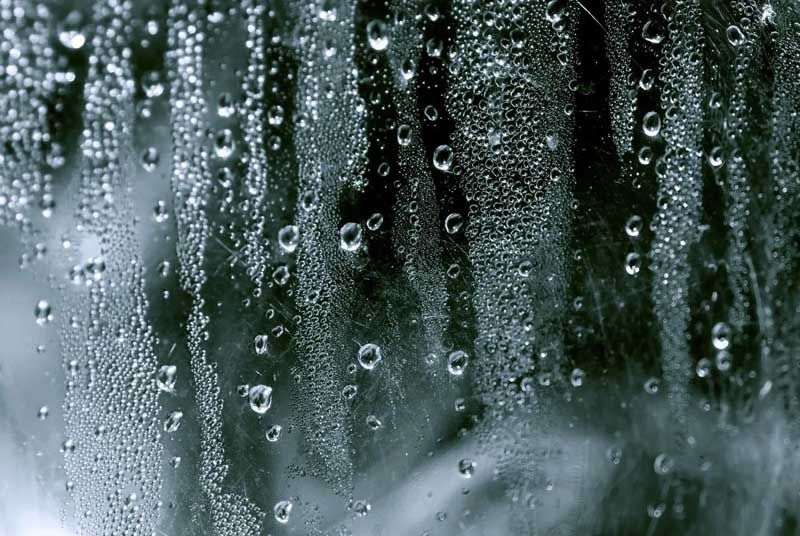
Are you tired of not being able to see outside because your windows are foggy? Are you wondering if it’s normal? Although condensation on windows is something we see frequently, its consequences can be quite annoying in the long term. We tell you what it consists of and how to reduce it as much as possible.
Why does condensation appear on windows?
Condensation is the change of state by which water vapor, present in the air, transforms into liquid. It happens when the temperature of the surface against which the water vapor, which is in the air, collides, is lower than the ambient dew point. This process is very common in nature. When it originates inside homes, it produces small drops of water on the glass, giving the sensation that, as they say colloquially, “the windows are crying.”
If the outside temperature is low, the inside temperature is higher and the volume of humidity is high (mainly in winter), the contrast between the outside and inside will encourage condensation. As the windows are the breaking point with the outside, the focus usually appears there.
If it is not corrected in time and solutions are put in place, it can spread to the window frame or walls, generating problems with humidity, corrosion and mold.
Some points to keep in mind
In order to understand the phenomenon of condensation on windows, it is useful to first explain some concepts:
- Relative Humidity: It is the relationship, in percentage, of the amount of atmospheric humidity present relative to the amount that would be present if the air were saturated. The higher the temperature, the greater the amount of vapor it can retain in suspension. On the other hand, as the temperature decreases, the holding power will be lower. To give an illustrative example, if we were at 10 degrees Celsius the air could retain very little water vapor, we would be in a situation close to 100% relative humidity. While, in another case, if we were at 26 degrees the air could collect 50% of the humidity present in the environment and we would therefore have another 50% relative humidity.
- Dew Point: It is the temperature (in degrees Celsius) to which a mass of air must be cooled for water vapor to condense.
- Emissivity: It is the ability of a surface (in this case, window glass) to emit energy in the infrared spectrum through the radiation process.
- U value: The U value indicates the heat transmittance of a surface or material, it is measured in watts per square meter and the lower that value, the greater the resistance of the material to heat flow and therefore the better its value. Insulating. For windows, the U-value can be just the glass (Ug) or the entire window (Uw).
What types of condensation exist?
We must mainly differentiate two types: Exterior condensation, which occurs on the external face of the windows and does not pose too many inconveniences. And interior condensation, which is a symptom of poor insulation and could cause problems in the long term.
Condensation outside will be greatly influenced by temperature and relative humidity. In addition to the climate, other variables such as air movement, the orientation of the home, the time of year or the presence of shade can affect its appearance.
This type of condensation is generally temporary and in most cases its effects will disappear as the day progresses, just like morning dew. The presence of exterior condensation indicates that the windows are fulfilling their function, preventing heat from escaping outside the home.
Internal condensation
It is the most problematic type of condensation and requires considering some additional factors in addition to the weather. The operation is the same as in the case of exterior condensation, the water vapor collides with the window glass and accumulates in the form of water.
It happens especially in winter because the windows are usually closed and there is an increase in indoor humidity levels, people and pets produce steam when breathing, and daily activities such as showering or cooking also, so it will be necessary to increase the exchange of air between inside and outside to prevent buildup.
Does it happen more depending on the area?
Condensation can appear on all types of windows and is present in all latitudes or geographic locations. Although weather or environmental conditions can influence its development, the appearance does not respond solely to an environmental cause. It is more related, however, to the type of window or glass and, in most cases, the way the window was installed on the structure has a lot to do with it.
Do I need new windows if I have condensation?
Condensation on your windows doesn’t always mean there’s a problem with them. In fact, it’s quite the opposite – it could be a good sign. Modern windows are designed to keep the warm or cool air inside your home, making them more energy-efficient. During extreme weather, like the coldest winters or hottest summers, a bit of condensation is normal.
If you’ve recently upgraded to energy-efficient windows, you might notice more condensation. This is because your old windows weren’t as effective at keeping the interior air in, leading to a more consistent temperature around the window. So, don’t worry if you spot a bit of condensation – it’s a sign that your windows are doing their job.
However, If you’ve had your windows for years and years and notice that they are a little drafty, you may have to consider investing in new ones.
Is it possible to prevent condensation on windows?
It is possible to reduce it greatly. But to do this it is necessary to find a balance between three fundamental factors:
- The insulation or airtightness of the façade
- The Windows
- The ventilation
All three points are important but the most important role is played by the windows. In the event that neither the windows nor the façade were ideal, the ventilation solution is a patch that would not be sufficient in the long term. Below we detail the most important of each of the factors.
The insulation or airtightness of the façade
Facade insulation problems occur especially in old buildings, built without taking into account current insulation and energy efficiency standards, and may affect more than one neighbor. In these cases, the solution is to improve the insulation of the façade, especially in the joints between the façade and the openings.
High performance windows
As we have already explained, the phenomenon of condensation occurs when water vapor comes into contact with a cold surface, therefore, it is important that both the frame and the glass offer a good level of insulation and airtightness. It will be necessary to have a low thermal transmittance index, especially in the glass, since it occupies 80% of the window surface, opting for low-emissive glass, which also has solar control properties which helps maintain the ideal temperature both in winter and summer.
It is not enough for the windows to be of good quality, their installation becomes very important. Air or water leaks between the perimeter trims can undermine the efficiency of the windows; it is essential to have professional installers to make the most of the investment.
It must be taken into account that temporary condensation on exterior glass (which usually appears at dawn) is a ‘normal’ phenomenon and typical of low emissive layer glass since this property prevents heat transfer from inside the home. Towards the outside, so that the exterior glass remains at a low temperature. This is not a defect in the glass, but rather an example of its excellent thermal insulation.
Correct ventilation and air renewal
Certain activities that we do on a daily basis, such as cooking or showering, generate water vapor. Ventilation is the way to renew air and reduce humidity levels in kitchens and bathrooms. It is important to emphasize that ventilation must be carried out whether the windows are efficient or not, because it will help break the contrast with the outside.
The main drawback of ventilation is that it can be annoying, particularly in the most extreme months, with very cold or very hot weather. It is recommended that it be carried out on a daily basis, especially in those rooms that accumulate more humidity, for short periods of time so that by doing so we do not run the risk of losing air conditioning.
Key Takeaway
As we have already seen, the solution to the problem of condensation on windows involves analyzing several factors. It is important to take them all into account to try to mitigate the effects of humidity in homes. Although it is a more widespread problem than you think, it has an easy solution. If you choose to improve thermal insulation by changing the windows, the ideal would be to do so with efficient ones, and have professionals for their correct installation.
FAQs
Do windows cause condensation?
No, windows themselves don’t cause condensation. They simply reveal it. Condensation occurs when warm, humid air collides with a cold surface, and windows, being the coldest indoor surfaces, show the first signs. Think about foggy mirrors after a shower or car windows fogging up – these are just visible indicators of existing condensation.
What causes condensation?
Condensation happens when warm, humid air comes in contact with a cold surface. During colder months, indoor air is warmer and holds more moisture than the colder outdoor air. As this warm air cools against the windows, moisture condenses on the glass. Everyday activities like cooking, bathing, and even breathing contribute to indoor humidity, creating conditions for condensation.
Why is indoor air so humid?
Everyday living adds moisture to indoor air. Activities like showers, cooking, and laundry release moisture, accumulating up to four gallons per day in some homes. Modern well-insulated homes retain moisture, preventing it from venting outdoors. So, even though your new windows don’t cause condensation, they highlight excess humidity in your home.
I have condensation on my double-glazed windows. Is it bad seals or indoor humidity?
If condensation is on the room side of the glass and your finger leaves a wet trail when touched, it’s due to indoor humidity, not bad seals. Multiple windows with condensation likely indicate indoor humidity issues rather than seal problems.
I didn’t have condensation problems with my old windows. Why now?
Drafty old windows allowed excess moisture to escape. New, well-insulated windows retain indoor humidity, revealing the issue. Remember, windows don’t create or eliminate condensation; they signal humidity levels in your home.
How does humidity affect our everyday lives?
Humidity can lead to many problems and damage your home. Mold and mildew thrive in moist conditions, causing respiratory issues. Humid indoor air, under higher pressure, pushes outward, causing structural damage, paint issues, and more.
What kind of problems can humidity cause?
Health problems include respiratory issues and allergic reactions. Homes may experience structural damage, rotting floors, and unsightly stains on walls and ceilings.
Is condensation more likely in certain climates, types of homes, or times of year?
Yes, condensation is more likely in colder climates, humid seasons, and after construction or remodeling. Bay or bow windows, closed drapes, and rapid temperature drops can also contribute.
How can we reduce indoor humidity?
Increase ventilation by opening windows and using exhaust fans. Control indoor moisture by regulating humidity levels, waterproofing basements, and insulating windows.
What is exterior window condensation?
Exterior condensation is a natural dew formation on the outside of window glass. It’s not a defect but a sign of energy efficiency, showing that the window is insulated from the heated indoors.
Why is your new window/door doing this?
Exterior condensation is normal and occurs during transitions between cool nights and warmer days. It doesn’t indicate a defect but rather an energy-efficient window that keeps the outside pane insulated from indoor warmth.
So, what are you waiting for? If you have detected any of these signs on your windows, now is the right time to contact Peak Windows & Doors, LLC today!! We offer all kinds of repair and replacement services for doors and windows.
A Comprehensive Guide for Homeowners
Window condensation is one of the most common concerns homeowners face, regardless of climate or home design.…