
How Summer Heat Impacts Your Windows: What You Need to Know
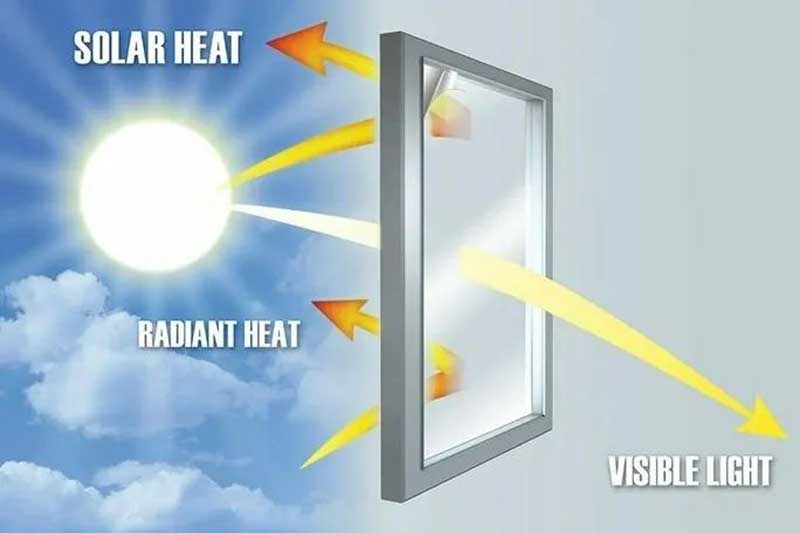
Summer heat can have a significant impact on your windows, affecting both their appearance and functionality. While windows are designed to endure a range of weather conditions, the intense heat of summer can present unique challenges. Understanding these effects and taking proactive measures can help you maintain your windows’ integrity and efficiency. Here’s a comprehensive look at how summer heat impacts your windows and what you can do to protect them.
The Effects of Summer Heat on Windows
1. Condensation and Sweating
- Condensation: During hot summer days, the humidity levels rise, leading to condensation on your windows, especially as temperatures drop at night. This can cause water droplets to form on the glass, potentially leading to moisture buildup around the window frames.
- Sweating: In the early summer, fluctuating temperatures between hot days and cooler nights can cause your windows to “sweat.” This sweating results from the difference in temperature between the inside and outside of the window, leading to fogging and condensation. Over time, this moisture can damage the window seals and frames, promoting mold and mildew growth.
2. Thermal Expansion and Contraction
- Expansion: When exposed to the sun’s intense heat, window materials, especially glass and frames, can expand. This expansion can cause the windows to become misaligned, resulting in gaps, cracks, and compromised seals. These gaps not only diminish the windows’ aesthetic appeal but also reduce their energy efficiency.
- Contraction: Once the summer heat subsides, windows contract. Repeated cycles of expansion and contraction can lead to structural damage, particularly in wood-framed windows, which are more susceptible to these changes. This can necessitate window replacement sooner than expected.
Addressing Thermal Expansion and Contraction Concerns
Thermal expansion and contraction are natural responses of materials to temperature changes. However, managing these effects is crucial to maintaining your windows’ longevity and functionality.
1. Choose Durable Materials
- Composite Frames: Opt for windows with composite frames that are less prone to expansion and contraction compared to traditional wood. Materials like fiberglass and vinyl offer better stability under temperature fluctuations.
- Thermal Breaks: Windows with thermal breaks, which are barriers within the frame that reduce heat transfer, can minimize the extent of expansion and contraction.
2. Professional Installation
- Proper Sealing: Ensure that windows are installed with proper sealing techniques to accommodate natural expansion and contraction without causing gaps or leaks. Professional installation can make a significant difference in how well your windows handle temperature changes.
- Flexible Sealants: Use high-quality, flexible sealants around your windows. These sealants can stretch and contract with the windows, maintaining a tight seal and preventing air and water infiltration.
3. Regular Maintenance
- Inspection: Regularly inspect your windows for signs of damage or wear caused by thermal stress. Look for cracks, gaps, or misalignment, and address any issues promptly to prevent further damage.
- Re-Caulking: Periodically re-caulk windows to ensure seals remain intact and effective. This helps in maintaining energy efficiency and preventing moisture entry.
4. Window Treatments
- Reflective Films: Applying reflective window films can reduce the amount of heat absorbed by your windows, thereby reducing the extent of expansion during hot weather.
- Window Covers: Using shades, blinds, or curtains during peak sunlight hours can keep your windows cooler and lessen the thermal stress on the materials.
Proactive Measures to Protect Your Windows
1. Create Shade
- Landscaping: Planting trees or tall bushes near your windows can provide natural shade, reducing direct exposure to sunlight. This helps in minimizing the heat absorbed by the windows, thereby reducing the chances of thermal expansion and contraction.
- Awnings and Shades: Installing awnings or exterior shades can protect your windows from direct sunlight. These additions not only protect your windows but also enhance the exterior aesthetic of your home.
2. Install Window Films
- Heat-Reducing Films: Applying heat-reducing window films can significantly decrease the amount of sunlight that penetrates your windows. These films can be clear or decorative and offer an additional layer of insulation, helping to keep your home cooler and protect your windows from heat damage.
3. Upgrade to Low-E Glass
- Low-E Glass: Low-emissivity (Low-E) glass windows have a special coating that reflects UV rays and reduces heat transfer. This type of glass helps keep your home cooler in the summer and warmer in the winter, enhancing energy efficiency and providing better protection against the summer heat.
4. Control Indoor Humidity
- Dehumidifiers: Using dehumidifiers can help manage indoor humidity levels, reducing condensation on your windows. Keeping indoor air dry prevents moisture buildup, which can lead to mold and mildew.
- Air Circulation: Fans and air conditioning systems can promote better air circulation, helping to keep your home’s humidity in check and reducing the likelihood of window condensation.
Addressing Condensation Concerns
Condensation on windows is not just a cosmetic issue; it can lead to significant problems if not addressed. Persistent moisture can damage window frames, promote mold growth, and even impact the structural integrity of your home. Regular cleaning and maintenance of your windows, including wiping off condensation, can prevent these issues. Additionally, applying products like Rain-X, commonly used on car windshields, can help water droplets slide off your windows, reducing moisture buildup.
Conclusion
While windows are designed to withstand various weather conditions, the summer heat can pose specific challenges. By understanding how heat affects your windows and taking steps to mitigate these effects, you can prolong the lifespan of your windows and maintain their efficiency. Implementing measures such as creating shade, using window films, upgrading to Low-E glass, and controlling indoor humidity can make a significant difference. Staying proactive about window maintenance ensures your home remains comfortable and your windows remain in top condition throughout the summer and beyond.
So, what are you waiting for? If you have detected any of these signs on your windows, now is the right time to replace them and make your home more attractive and safer. Contact Peak Windows & Doors, LLC today for a free estimate!!

If you’ve ever wrestled with a reluctant window or door on a hot summer day, you’re not alone. As temperatures rise and humidity fills the air,…