
How to Deal With Window Condensation
A Comprehensive Guide for Homeowners
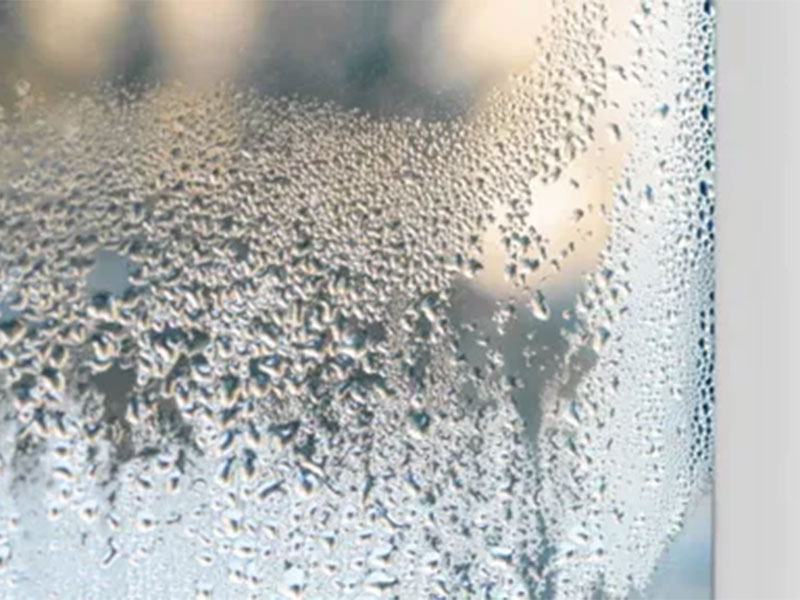
Window condensation is one of the most common concerns homeowners face, regardless of climate or home design. While it might seem like a minor nuisance—foggy glass, water droplets, or slight misting—the reality is that window condensation can indicate deeper issues inside the home and, if left unattended, may cause long-term damage. Understanding why it happens and how to fix it is essential for protecting your home’s structural integrity, improving indoor comfort, and preserving energy efficiency.
At Peak Windows & Doors, we specialize in high-quality windows installation, door installations, sliding solutions, and full-service upgrades designed to improve home performance and reduce problems like window condensation. In this comprehensive guide, we explain everything you need to know about window condensation—why it forms, what it means, the different types, and how the right choice of new windows can solve the issue once and for all.
This blog will walk you step by step through 2,500+ words of clear, professional guidance, helping you understand the science, the solutions, and the best upgrades available.
Understanding Window Condensation
Window condensation occurs when moisture in the air meets a surface that has a temperature below the dew point, causing water droplets or fog-like mist to appear. The most common place this happens is on glass surfaces and, especially on windows because glass naturally cools faster than other materials in the home.
When warm indoor air containing moisture collides with cold window surfaces, it releases the moisture in the form of condensation. This can be normal in small amounts, but persistent or excessive condensation usually points to:
- Poor window insulation
- High indoor humidity
- Inadequate ventilation
- Window seal failure
- Ageing or low-quality windows
Understanding what type of condensation, you are dealing with is the first step toward finding the correct solution.
Types of Window Condensation and What They Mean
Not all window condensation is the same. In fact, the location of the condensation tells you exactly what the problem is. Here are the three main types:
- Interior Window Condensation
Interior condensation forms on the inside surface of the window facing the room. This is the most common type and usually indicates excess indoor moisture. Everyday activities such as cooking, showering, drying clothes indoors, or running humidifiers contribute to increased humidity levels.
While occasional misting is harmless, heavy or persistent, moisture can lead to mold growth, peeling paint, wood rot, and damaged window frames. - Exterior Window Condensation
Exterior condensation forms on the outside surface of the glass. Many homeowners mistake this for a problem, but in most cases, it is actually a sign that your new windows are performing well. This type of condensation occurs when the exterior glass surface becomes cooler than outdoor air, often during certain weather conditions.
This usually means the window insulation is strong enough to keep indoor heat from reaching the outer pane. - Condensation Between Windowpanes
This is the most serious form. If you see condensation forming between the glass panes of double-pane or triple-pane windows, it means the seal has failed and the insulating gas (usually argon or krypton) has escaped. Once that happens, the window loses its insulation capability, leading to energy loss, fogging, and reduced visibility.
This type of condensation cannot be wiped away and requires the pane or the entire window to be replaced. Peak Windows & Doors provides full assessment and replacement services to help resolve this issue quickly and professionally.
Why Does Window Condensation Matter?
Many homeowners think of window condensation as a cosmetic issue, but it can cause significant problems:
Damage to Window Frames
Prolonged moisture exposure can cause wooden frames to swell, rot, and deteriorate. Even vinyl and composite frames may be affected if moisture infiltrates the structure.
Damage to Walls and Paint
Water droplets running off windows can lead to bubbling paint, stained drywall, and potential mold growth.
Reduced Visibility and Comfort
Foggy windows block natural light and reduce visibility, making the home feel gloomy. They also signal underlying humidity problems that may contribute to discomfort.
Energy Efficiency Issues
Condensation between panes indicates failed seals, reducing insulation, and increasing energy bills.
Causes of Window Condensation
To properly deal with window condensation, you must understand its root causes. These are the most common contributors:
- High Indoor Humidity Levels
Homes naturally create moisture, but modern airtight home designs trap humidity inside. When too much moisture builds, it collects on the coolest surfaces—usually windows. - Poor Ventilation
Without proper air circulation, moisture stays trapped indoors. This often happens in homes with closed windows during winter, blocked air vents, or poorly ventilated bathrooms and kitchens. - Inadequate or Old Windows
Older windows, especially single-pane models, lack the insulation needed to prevent cold surface temperatures. This makes condensation much more likely. - Failure of Window Seals
When insulated glass units (IGUs) lose their seal, moisture starts forming between the panes. - Weather Conditions
Cold temperatures outside and warm air inside create the perfect environment for window condensation. Even the most well-designed home will see minor seasonal moisture if humidity levels are not controlled.
Solutions to Window Condensation
Different types of window condensation require different solutions. Below are all the major approaches homeowners can take—with detailed explanations—to manage or eliminate condensation completely.
Managing Interior Window Condensation
Interior condensation is the most common and the easiest to control. Here are the best solutions:
- Reduce Indoor Humidity
This is the most effective approach. You can reduce humidity by:- Using bathroom and kitchen exhaust fans
- Keeping interior doors open to increase airflow
- Running ceiling fans
- Avoiding drying clothes indoors
- Using a dehumidifier
During winter, a relative indoor humidity level of around 30–40% is ideal.
- Improve Ventilation
Ventilation helps move humid air out and bring fresh air in. Options include:- Opening windows periodically
- Installing trickle vents
- Ensuring vents and ducts are unblocked
- Allowing free movement of air across rooms
Better airflow reduces condensation significantly.
- Improve Home Insulation
Improved insulation helps keep indoor surfaces from cooling too quickly. While this includes walls and ceilings, windows are often the weakest point in any home’s insulation. - Upgrade to More Efficient Windows
Old windows are prime suspects when it comes to condensation. Installing new windows with modern insulating technology—such as double- or triple-pane glass, Low-E coatings, warm-edge spacers, and gas-filled panes—drastically reduces condensation.
At Peak Windows & Doors, we provide premium-grade windows installation services that ensure long-term protection against condensation by improving thermal performance.
Solutions for Condensation Between Windowpanes
Condensation trapped inside your windowpane’s signals seal failure. No amount of wiping or dehumidifying will solve this problem because the insulated glass unit has already been compromised.
There are only two real solutions:
- Replace the Glass Unit
If the frame is still in good shape, replacing just the glazing portion may be possible. This restores insulation without replacing the entire window. - Install New Windows Completely
In many cases—especially with older units—it is more cost-effective and energy-efficient to install new windows entirely. Newer windows prevent future seal failure and offer significant improvements in performance, insulation, and appearance.
Peak Windows & Doors specializes in professional removal and installation, ensuring a clean fit that prevents moisture infiltration for years to come.
Solutions for Exterior Window Condensation
Exterior condensation often indicates high-efficiency windows doing their job, so you typically do not need to “fix” it. However, if it becomes excessive or problematic, you may consider:
- Increasing air circulation around the exterior window
- Removing shrubs or obstructions
- Adjusting exterior shading
In most cases, this type of condensation clears up naturally as the weather changes.
How Installing New Windows Helps Prevent Condensation
One of the most dependable long-term solutions for window condensation is upgrading your windows. Old or damaged windows simply cannot insulate your home properly. Installing new windows improves everything—from energy efficiency and comfort to aesthetics and moisture control.
Here is how window upgrades help:
- Multi-Pane Insulation
Modern double- and triple-pane windows significantly reduce heat transfer. The inner pane stays warmer, reducing the chances of condensation forming inside your home. - Gas Fills
Argon and krypton gases are used between panes to enhance thermal insulation. These gases slow heat movement, helping maintain a consistent glass temperature. - Low-E Coatings
Low-E coatings reflect heat back into your home in winter and away from your home in summer. This keeps window surfaces warmer during colder months, minimizing condensation. - Warm-Edge Spacers
Traditional metal spacers conduct heat, making the edges of windows colder. Warm-edge spacers reduce heat conduction, keeping edges warmer, and reducing moisture build-up. - Improved Air-Tight Construction
High-quality window frames and seals prevent drafts, which helps keep temperature differences under control.
Peak Windows & Doors installs only high-performing windows engineered to reduce condensation as much as possible.
Why Windows Age—And How That Creates Condensation Problems
Even the best windows do not last forever. Over time, they can lose effectiveness due to:
- Seal Degradation
Sun exposure, moisture, and temperature fluctuations weaken window seals. - Glass Expansion and Contraction
Seasonal changes cause the glass to expand and contract, eventually breaking seals. - Frame Damage
Wood frames swell or crack; vinyl frames warp, and aluminium frames conduct too much heat. - Failed Insulating Gas
Once gas escapes from between windowpanes, insulation drops drastically.
Ageing windows almost always cause persistent condensation issues, making them a strong candidate for replacement.
Services Provided by Peak Windows & Doors to Help You Deal With Window Condensation
At Peak Windows & Doors, we provide a full range of services designed to help homeowners eliminate condensation problems at the source. Here’s how we support you every step of the way.
Professional Windows Installation
A major cause of window condensation is improper or low-quality installation. Poor installation leads to air leakage, drafts, and weak insulation—all of which contribute to moisture issues.
Whether you are replacing a single window or upgrading your entire home, our expert installation team provides flawless workmanship.
Replacement of Old or Damaged Windows
If your windows are older than 15–20 years, or if you are already seeing failure between the panes, it is time to consider new windows. Our team evaluates the condition of your current windows to determine whether repair or full replacement is the best option.
Replacing old units drastically reduces condensation while improving comfort and energy efficiency.
Sliding Window and Door Installations
Homes with sliding windows or sliding glass doors frequently experience condensation issues due to wider glass surfaces. At Peak Windows & Doors, we offer upgraded sliding solutions with improved insulation and Low-E glass options to reduce moisture formation.
Upgraded sliding solutions help maintain a consistent indoor environment, reducing condensation-related damage.
Door Installations for Better Ventilation and Insulation
Doors play a surprisingly big role in moisture control. Poorly insulated or ageing exterior doors can allow drafts inside, making your interior colder and causing more frequent condensation on windows.
Upgrading doors help stabilize indoor temperatures and reduce condensation throughout the home.
Preventing Window Condensation in New Homes and Remodels
If you are building a new home or undergoing a renovation, you can avoid future headaches by incorporating the right products and strategies from the start.
- Install Energy-Efficient New Windows
Modern energy-efficient windows reduce drastic temperature differences and help prevent condensation. - Ensure Proper Ventilation
Build in ventilation systems like mechanical air exchangers, trickle vents, and exhaust fans. - Insulate Walls Properly
Good insulation keeps indoor temperatures stable. - Use High-Quality Frames
Vinyl, fiberglass, and composite frames perform better than aluminium in cold climates. - Hire an Expert Windows Installation Team
Professional installation is essential to avoid long-term moisture problems.
Peak Windows & Doors supports homeowners, builders, and contractors by providing premium installation services for both new construction and renovation projects.
Take Control of Window Condensation Today
Window condensation is more than just an inconvenience—it’s a sign that your home may need improvements in ventilation, humidity control, or window insulation. Whether the problem is minor interior condensation or more serious issues like moisture trapped between windowpanes, there are effective solutions available.
Installing new windows, upgrading existing ones, or improving ventilation can dramatically reduce condensation and improve your home’s comfort, efficiency, and value.
Peak Windows & Doors is here to provide expert guidance, top-quality products, and professional services to make sure your home stays dry, warm, and beautiful year-round. Whether you need windows installation, sliding door upgrades, or complete home window replacement, our team is ready to help you upgrade windows with confidence.
If you are ready to eliminate window condensation once and for all, contact Peak Windows & Doors today. Our team will assess your home, recommend the best solutions, and provide exceptional service from start to finish.
Are you tired of not being able to see outside because your windows are foggy? Are you wondering if it’s normal? Although condensation on windows…