Standing seam metal roofing test
Why More Homeowners Are Choosing Weather-Resistant Metal Roofing
Protect your home from the elements and improve its long-term performance with our professional metal roofing services in Delaware and the surrounding PA & NJ areas. As severe weather conditions become more frequent, homeowners are turning to metal roofing for its exceptional durability, energy efficiency, and low-maintenance benefits. A properly installed metal roof provides outstanding protection against wind, rain, snow, and extreme temperatures while delivering lasting curb appeal. As a residential and commercial roofing contractor, Peak Windows & Doors is equipped to handle projects of any size. We utilize premium materials and proven installation methods to ensure your property remains secure, dry, and comfortable for years to come. Contact us today to schedule an inspection.
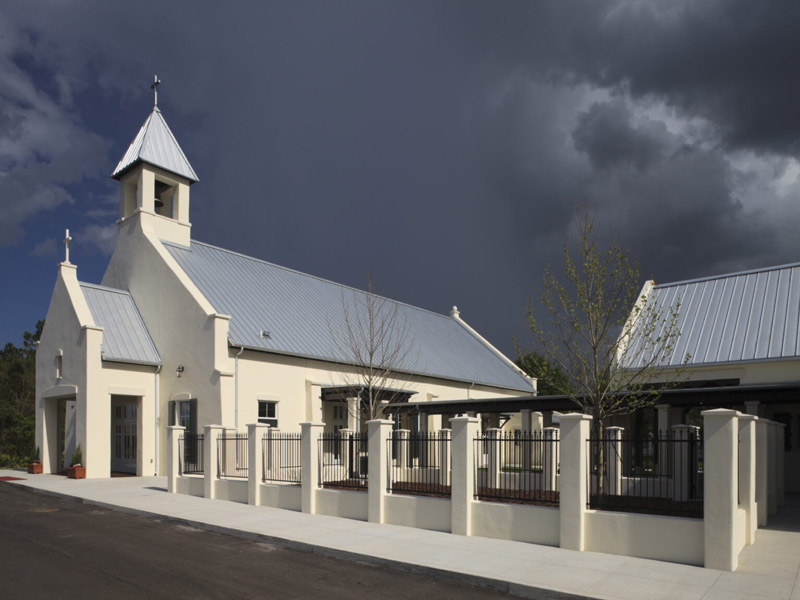
Built for Tough Weather Conditions
- High winds
- Heavy rain
- Snow and ice
- Hail impacts
- Extreme temperatures
- Prolonged UV exposure
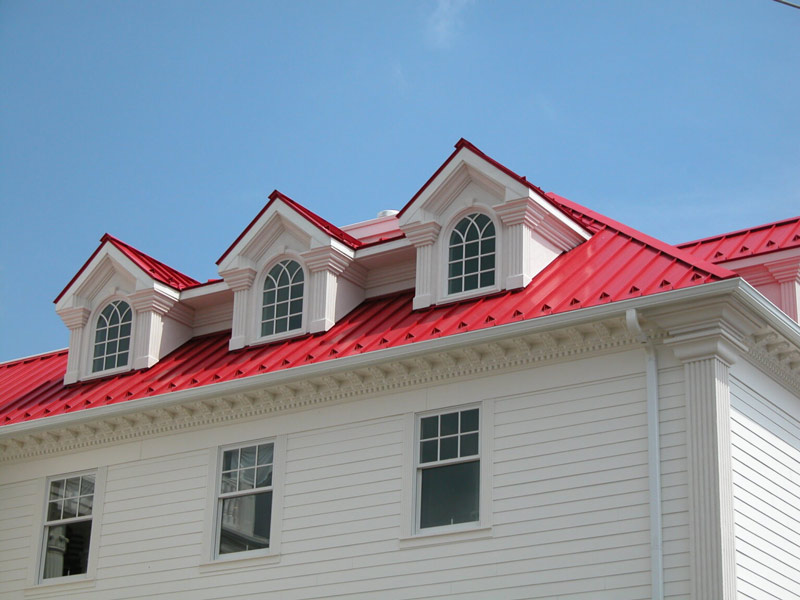
Strong Protection Against High Winds
Wind can be one of the most damaging weather threats to a home. During major storms, roofing materials may loosen, lift, or become displaced, potentially exposing the structure beneath.
Many metal roofing systems are engineered and tested to resist significant wind pressures. When professionally installed, metal roofing can provide excellent performance during strong storms and help reduce the risk of wind-related roof damage.
Resistance to Hail and Impact Damage
Many premium metal roofing products are manufactured using durable materials that are designed to withstand impact from hail and wind-driven debris. While no roofing material is entirely impervious to severe weather, metal roofing is widely recognized for its strength and resilience during storms.
Protection From Sun and Heat
Weather resistance isn’t just about storms. Constant exposure to sunlight can gradually wear down some roofing materials and contribute to higher cooling costs.
Many metal roofing systems feature reflective finishes that help reduce heat absorption. By reflecting more solar energy away from the home, these roofs may help improve indoor comfort and lessen the workload on air conditioning systems during warmer months.

A Long-Term Roofing Solution
One of the major advantages of metal roofing is its longevity. While roof lifespan varies based on climate, installation quality, and maintenance, many metal roofs can provide decades of reliable performance.
Additional benefits often include:
- Reduced maintenance requirements
- Resistance to rot and insect damage
- Energy-efficient performance
- Attractive design options
- Increased curb appeal
- Long-term value for homeowners
Is a Metal Roof Right for Your Home?
Every home has unique needs, but homeowners looking for exceptional durability, weather protection, and long-term performance often find metal roofing to be a worthwhile investment.
If you’re planning a roof replacement or building a new home, speaking with an experienced roofing professional can help you determine whether a metal roofing system is the best fit for your property, budget, and local weather conditions.
Frequently Asked Questions
A professionally installed metal roof can last 40-70 years or more, depending on the material and maintenance. Metal roofing significantly outlasts traditional asphalt shingles, making it a long-term investment for your home.
No. When installed over proper decking and underlayment, a metal roof is no louder than any other roofing system. Modern installation methods help absorb sound and provide a quiet indoor environment during rain or storms.
Yes. Metal roofing is designed to withstand high winds, heavy rain, hail, snow, and extreme temperatures. Many metal roofing systems are rated to resist wind speeds of up to 140 mph, making them an excellent choice for storm-prone areas.
Absolutely. Metal roofing reflects solar heat rather than absorbing it, helping reduce attic temperatures and lowering cooling costs during the warmer months. Many homeowners experience improved energy efficiency after installation.
While the upfront cost of metal roofing is typically higher than asphalt shingles, the longer lifespan, lower maintenance requirements, increased energy efficiency, and enhanced curb appeal often make it a more cost-effective solution over time.